Items filtered by date: September 2026
Managing Recurring Corns on the Feet
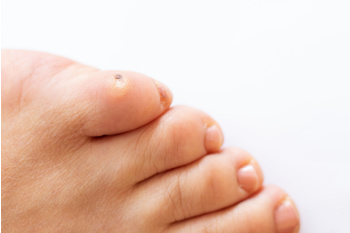
Corns on the feet are thick, hardened areas of skin that develop in response to repeated pressure and friction. They can appear on the tops or sides of the toes, between the toes, or on the bottoms of the feet. Corns can look rough, raised, and slightly yellow. Some become tender or painful when touched. Shoes that fit too tightly can create repeated rubbing that leads to corns. Standing or walking for long periods of time can also place enough pressure on certain areas to cause them.
Foot structure and the way a person walks can increase the chance of developing corns. A corn can form as the skin tries to protect itself from continued pressure, but the thickened area itself can eventually become painful. Discomfort can become more noticeable when shoes press against the corn. Corns can also return when the source of friction remains. Properly fitting shoes can help reduce pressure on sensitive areas. However, recurring or painful corns can signal a foot problem that deserves a closer evaluation.
A podiatrist can examine a corn and determine what is creating excess pressure on the affected area. Treatment can include carefully removing layers of hardened skin with sanitized instruments. Patients should not cut corns themselves because doing so can damage healthy skin and increase the risk of infection. A podiatrist can also assess foot shape and walking patterns to identify factors that contribute to repeated corns. Recommendations can include wearing properly fitting shoes, protective padding, or other methods that reduce pressure. Podiatric care is especially important when a corn keeps returning or causes significant pain. If you have developed of corns on the feet, it is suggested that you schedule an appointment with a podiatrist for effective relief and treatment solutions.
If you have any concerns regarding your feet and ankles, contact one of our podiatrists of Trinity Foot & Ankle . Our doctors will treat your foot and ankle needs.
Corns: What Are They? and How Do You Get Rid of Them?
Corns can be described as areas of the skin that have thickened to the point of becoming painful or irritating. They are often layers and layers of the skin that have become dry and rough, and are normally smaller than calluses.
Ways to Prevent Corns
There are many ways to get rid of painful corns such as wearing:
- Well-fitting socks
- Comfortable shoes that are not tight around your foot
- Shoes that offer support
Treating Corns
Treatment of corns involves removing the dead skin that has built up in the specific area of the foot. Consult with Our doctors to determine the best treatment option for your case of corns.
If you have any questions, please feel free to contact our office located in Trinity, FL . We offer the newest diagnostic and treatment technologies for all your foot care needs.
Are You Suffering From Ingrown Toenails?

If left untreated, an ingrown toenail can lead to more serious concerns, such as an infection. Knowing proper nail care can help in the prevention of an ingrown toenail. Give us a call, and get treated!
When to See a Podiatrist for Foot Blisters
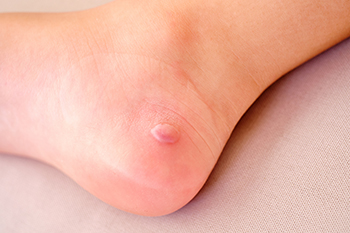
Blisters are small pockets of fluid that form beneath the skin and are common on the feet. They often develop when repeated rubbing or pressure damages the upper layers of skin. Shoes that rub against the heel or toes can contribute to friction, especially during extended periods of walking or physical activity. Blisters may also result from burns, allergic reactions, or certain medical conditions. A typical foot blister contains clear fluid and may feel tender or painful when pressure is applied. Although many blisters are minor, their location can make standing and walking uncomfortable.
Foot blisters can vary in size and severity. Some remain intact, while others break and leave sensitive skin exposed. A blister may become infected if bacteria enter damaged skin. Signs of a possible infection can include increasing pain, redness, or pus. People with diabetes or problems with circulation should take foot wounds seriously because complications may be more likely. Repeated blisters can also indicate an underlying issue with footwear, foot shape, or the way pressure is distributed while walking. When blisters continue to return or interfere with mobility, a professional foot evaluation can help identify contributing factors and determine whether additional care is necessary.
A podiatrist can evaluate painful or recurring foot blisters and determine whether another foot condition is contributing to the problem. The examination may include assessing the blister, surrounding skin, and areas of repeated pressure. A podiatrist can also evaluate foot structure and walking patterns when friction repeatedly develops in the same location. Depending on the condition, podiatric treatment may involve professional wound care, pressure-relieving measures, or recommendations for properly fitting footwear. Prompt professional care is especially important when infection or poor healing is a concern. If painful, recurring, or slow-healing foot blisters are making walking uncomfortable, it is suggested that you consult a podiatrist for an evaluation and appropriate treatment options.
Blisters may appear as a single bubble or in a cluster. They can cause a lot of pain and may be filled with pus, blood, or watery serum. If your feet are hurting, contact one of our podiatrists of Trinity Foot & Ankle . Our doctors can provide the care you need to keep you pain-free and on your feet.
Foot Blisters
Foot blisters are often the result of friction. This happens due to the constant rubbing from shoes, which can lead to pain.
What Are Foot Blisters?
A foot blister is a small fluid-filled pocket that forms on the upper-most layer of the skin. Blisters are filled with clear fluid and can lead to blood drainage or pus if the area becomes infected.
Symptoms
(Blister symptoms may vary depending on what is causing them)
- Bubble of skin filled with fluid
- Redness
- Moderate to severe pain
- Itching
Prevention & Treatment
In order to prevent blisters, you should be sure to wear comfortable shoes with socks that cushion your feet and absorb sweat. Breaking a blister open may increase your chances of developing an infection. However, if your blister breaks, you should wash the area with soap and water immediately and then apply a bandage to the affected area. If your blisters cause severe pain it is important that you call your podiatrist right away.
If you have any questions, please feel free to contact our office located in Trinity, FL . We offer the newest diagnostic and treatment technologies for all your foot care needs.
