Items filtered by date: October 2026
Why Hammertoe Can Making Walking Painful
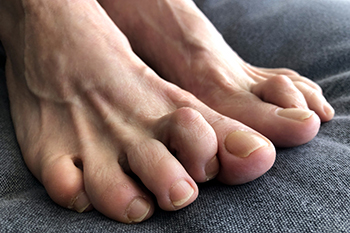
Hammertoe occurs when an imbalance in the muscles and tendons causes a toe to develop an abnormal bend. The middle joint is commonly affected, giving the toe its characteristic appearance. Hammertoe can be flexible in its early stages or rigid as the deformity progresses. A flexible toe can still move into a straighter position. A rigid toe remains fixed and may become increasingly uncomfortable.
Hammertoe symptoms often become more noticeable when walking or wearing shoes. Pain may develop in the affected toe or at the toe joint where it meets the foot. The bent joint may rub against footwear and develop a corn or callus. Some people experience swelling, redness, or tenderness after spending time on their feet. Wearing shoes that do not fit properly can make these symptoms worse. High heels may also crowd the toes and increase pressure.
Your natural foot structure can also affect your risk. People with high arches may place greater pressure on the front of the foot. Flat feet can alter normal walking mechanics and contribute to uneven pressure. Other risk factors include family history, aging, and footwear that squeezes the toes. Recognizing these factors early may help reduce ongoing irritation and protect comfortable movement.
A podiatrist can evaluate the toe and determine whether the deformity is flexible or rigid. The examination may include checking your walking pattern and joint movement. Treatment can involve changing footwear, using protective padding, or prescribing custom orthotics. Severe or rigid deformities may require surgery when conservative care does not provide adequate relief. If you have a painful toe or one that is bent, it is suggested that you consult a podiatrist for effective relief, treatment, and management solutions.
Hammertoe
Hammertoes can be a painful condition to live with. For more information, contact one of our podiatrists from Trinity Foot & Ankle . Our doctors will answer any of your foot- and ankle-related questions.
Hammertoe is a foot deformity that affects the joints of the second, third, fourth, or fifth toes of your feet. It is a painful foot condition in which these toes curl and arch up, which can often lead to pain when wearing footwear.
Symptoms
- Pain in the affected toes
- Development of corns or calluses due to friction
- Inflammation
- Redness
- Contracture of the toes
Causes
Genetics – People who are genetically predisposed to hammertoe are often more susceptible
Arthritis – Because arthritis affects the joints in your toes, further deformities stemming from arthritis can occur
Trauma – Direct trauma to the toes could potentially lead to hammertoe
Ill-fitting shoes – Undue pressure on the front of the toes from ill-fitting shoes can potentially lead to the development of hammertoe
Treatment
Orthotics – Custom made inserts can be used to help relieve pressure placed on the toes and therefore relieve some of the pain associated with it
Medications – Oral medications such as anti-inflammatories or NSAIDs could be used to treat the pain and inflammation hammertoes causes. Injections of corticosteroids are also sometimes used
Surgery – In more severe cases where the hammertoes have become more rigid, foot surgery is a potential option
If you have any questions, please feel free to contact our office located in Trinity, FL . We offer the newest diagnostic and treatment technologies for all your foot care needs.
Recognizing Symptoms of Athlete's Foot
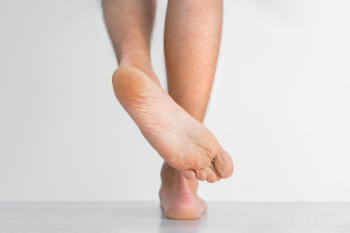
Athlete’s foot is a fungal infection that affects the skin of the feet. It can cause itching, discoloration, and cracks in the skin. These changes often appear between the toes but can develop on other parts of the foot as well. The infection may cause skin to look dry or scaly, making it easy to confuse with other skin problems. Foot psoriasis can create similar symptoms, including scaling and discoloration. Because the two problems may look alike, an accurate diagnosis is important before treatment begins. Using the wrong treatment can allow symptoms to continue or become worse.
One important difference is that athlete’s foot is caused by a fungus, while psoriasis is related to the immune system. Athlete’s foot can also spread from one person to another, unlike psoriasis. The location and appearance of symptoms may provide clues, but these features do not always make the cause clear. Athlete’s foot often produces cracking or peeling between the toes. Psoriasis may affect other parts of the body in addition to the feet. When skin changes continue, or the diagnosis is uncertain, professional evaluation can help determine what is actually causing the problem.
A podiatrist can examine persistent skin changes on the feet and determine whether athlete’s foot or another condition may be responsible. Since fungal infections and psoriasis require different approaches, identifying the correct cause can guide appropriate care. A podiatrist may evaluate the location and appearance of affected skin while considering other symptoms. Further testing may be appropriate when the diagnosis is unclear. Professional care is especially valuable when itching, cracking, or discoloration continues despite previous treatment or begins interfering with comfort. Receiving the correct diagnosis can prevent unnecessary treatment and help address the underlying cause of the skin changes. If you have ongoing symptoms that may indicate athlete’s foot, it is suggested that you consult a podiatrist for an evaluation and appropriate treatment options.
Athlete’s foot is an inconvenient condition that can be easily reduced with the proper treatment. If you have any concerns about your feet and ankles, contact one of our podiatrists from Trinity Foot & Ankle . Our doctors will treat your foot and ankle needs.
Athlete’s Foot: The Sole Story
Athlete's foot, also known as tinea pedis, can be an extremely contagious foot infection. It is commonly contracted in public changing areas and bathrooms, dormitory style living quarters, around locker rooms and public swimming pools, or anywhere your feet often come into contact with other people.
Solutions to Combat Athlete’s Foot
- Hydrate your feet by using lotion
- Exfoliate
- Buff off nails
- Use of anti-fungal products
- Examine your feet and visit your doctor if any suspicious blisters or cuts develop
Athlete’s foot can cause many irritating symptoms such as dry and flaking skin, itching, and redness. Some more severe symptoms can include bleeding and cracked skin, intense itching and burning, and even pain when walking. In the worst cases, Athlete’s foot can cause blistering as well. Speak to your podiatrist for a better understanding of the different causes of Athlete’s foot, as well as help in determining which treatment options are best for you.
If you have any questions please feel free to contact our office located in Trinity, FL . We offer the newest diagnostic and treatment technologies for all your foot and ankle needs.
Heel Cups for Support and Heel Pain Relief
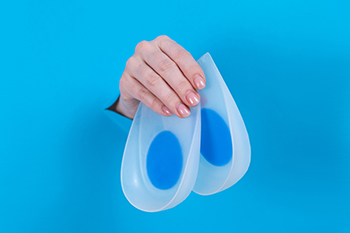
Heel cups are cushioned inserts designed to fit around the heel and provide support during standing and walking. They can absorb impact and reduce pressure on sensitive areas beneath the heel. Heel cups may help people experiencing heel pain related to strain, prolonged standing, or increased activity. They fit inside shoes and work with supportive footwear. Because heel pain has several causes, identifying the source is important before choosing treatment.
Heel cups may be recommended for conditions that cause heel discomfort. They can provide cushioning for plantar fasciitis, heel fat pad irritation, and impact-related soreness. Symptoms may include aching, tenderness, or pain during the first steps of the day. Risk factors include prolonged standing, increased activity, and repeated stress. Heel cups may improve comfort, but they do not correct every condition.
A podiatrist can determine whether heel cups are appropriate by reviewing symptoms and examining the feet. The evaluation may include checking heel tenderness, foot alignment, and shoe wear. If heel cups are recommended, the podiatrist can help select the proper size. This foot doctor may suggest wearing supportive shoes or conservative care based on the cause. Follow-up can determine whether the heel cup is improving comfort or whether additional treatment is needed.
Properly fitted heel cups may make walking and standing more comfortable when heel pain is related to pressure or impact. They should fit securely without creating pressure points. Persistent pain should not be ignored when symptoms interfere with activities or continue despite supportive care. Podiatric evaluation can help guide foot care. If you have heel pain and are interested in learning about heel cups for relief, it is suggested that you consult a podiatrist who can discuss the benefits of this type of orthotic with you.
If you are having discomfort in your feet and would like to try orthotics, contact one of our podiatrists from Trinity Foot & Ankle . Our doctors can provide the care you need to keep you pain-free and on your feet.
What Are Orthotics?
Orthotics are inserts you can place into your shoes to help with a variety of foot problems such as flat feet or foot pain. Orthotics provide relief and comfort for minor foot and heel pain but can’t correct serious biomechanical problems in your feet.
Over-the-Counter Inserts
Orthotics come in a wide variety of over-the-counter inserts that are used to treat foot pain, heel pain, and minor problems. For example, arch supports can be inserted into your shoes to help correct overarched or flat feet, while gel insoles are often used because they provide comfort and relief from foot and heel pain by alleviating pressure.
Prescription Orthotics
If over-the-counter inserts don’t work for you or if you have a more severe foot concern, it is possible to have your podiatrist prescribe custom orthotics. These high-quality inserts are designed to treat problems such as abnormal motion, plantar fasciitis, and severe forms of heel pain. They can even be used to help patients suffering from diabetes by treating foot ulcers and painful calluses and are usually molded to your feet individually, which allows them to provide full support and comfort.
If you are experiencing minor to severe foot or heel pain, it’s recommended to speak with your podiatrist about the possibilities of using orthotics. A podiatrist can determine which type of orthotic is right for you and allow you to take the first steps towards being pain-free.
If you have any questions, please feel free to contact our office located in Trinity, FL . We offer the newest diagnostic and treatment technologies for all your foot care needs.
Choosing the Right Shoes for Healthy Growing Feet
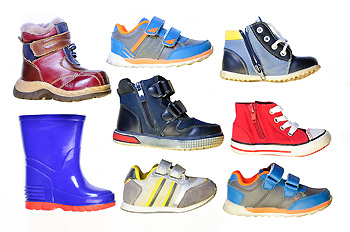
Children need shoes that protect feet without restricting natural movement. A good children’s shoe should have a flexible flat sole that allows the foot to bend naturally while walking. It should also have a solid heel counter that supports the back of the foot. Shoes should fit comfortably without squeezing the toes or slipping at the heel. Parents should check shoe size regularly because children’s feet grow quickly. Wearing supportive footwear can encourage comfortable movement during development.
Flat feet are common during childhood, and many children have flexible arches that develop naturally. Symptoms may include tired feet, aching arches, or discomfort after activity. Some children have feet that turn inward while walking, called in-toeing. Out-toeing occurs when the feet point outward during walking. It may appear as an altered gait or unusual stance. Persistent foot pain often or difficulty walking deserves professional attention.
Risk factors for childhood foot problems include family history, wearing poor footwear, and structural differences. A child who frequently has foot pain or walks differently should be evaluated. A podiatrist will review the child’s history and observe walking patterns. The feet may be examined for alignment, flexibility, and motion. X-rays may be recommended when needed by the podiatrist. Treatment may include shoe changes, supportive inserts, or custom orthotics. Assessment can help determine treatment.
Parents can help by choosing properly fitted shoes and watching for changes in walking or comfort. A podiatrist may recommend footwear with a flexible flat sole and solid heel counter. Treatment may include monitoring growth and adjusting support. Some children need monitoring, while others benefit from support when needed. Early evaluation can provide reassurance and identify problems that need attention. If your child has foot pain or symptoms of a condition, it is suggested that you consult a podiatrist for an accurate diagnosis and appropriate treatment.
The health of a child’s feet is vital to their overall well-being. If you have any questions regarding foot health, contact one of our podiatrists of Trinity Foot & Ankle . Our doctors can provide the care you need to keep you pain-free and on your feet.
Tips for Keeping Children's Feet Healthy
- Make sure their shoes fit properly
- Look for any signs of in-toeing or out-toeing
- Check to see if they have Clubfoot (condition that affects your child’s foot and ankle, twisting the heel and toes inward) which is one of the most common nonmajor birth defects.
- Lightly cover your baby’s feet (Tight covers may keep your baby from moving their feet freely, and could prevent normal development)
- Allow your toddler to go shoeless (Shoes can be restricting for a young child’s foot)
- Cut toenails straight across to avoid ingrown toenails
- Keep your child’s foot clean and dry
- Cover cuts and scrapes. Wash any scratches with soap and water and cover them with a bandage until they’ve healed.
If you have any questions, please feel free to contact our office located in Trinity, FL . We offer the newest diagnostic and treatment technologies for all your foot care needs.
Stop Your Toenail Fungus
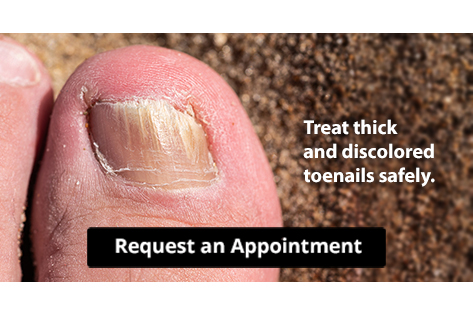
Have you noticed discoloration of your toenails? Have they become thickened or brittle? If so, you may be experiencing symptoms of a fungal nail infection. For some, having a fungal nail can be embarrassing. Overcome your embarrassment, and get treated.
