Items filtered by date: August 2026
Common Foot Problems in Older Adults
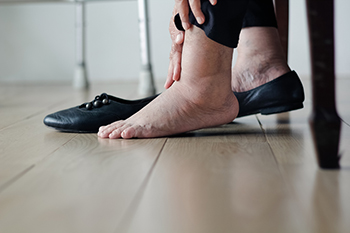
Foot problems in older adults often develop after years of daily use, pressure, and natural changes in the body. A lifetime of walking, running, and standing can place repeated stress on the feet, leading to structural changes and discomfort. Common conditions include corns, toenail disorders, bunions, and hammertoe. These issues can affect mobility, balance, and overall quality of life if they are not properly managed. Understanding these conditions can help older adults take steps to maintain foot health and independence.
Symptoms of foot problems in seniors can vary depending on the condition. Corns often appear as thickened areas of skin that cause pain when pressure is applied. Toenail disorders may include thickened, discolored, or brittle nails that are difficult to trim. Bunions develop as a bony bump at the base of the big toe, often leading to swelling, redness, and discomfort while wearing shoes. Hammertoe causes the toes to bend abnormally, which may result in pain, stiffness, and difficulty finding comfortable footwear. These symptoms can make walking and standing more challenging over time.
The causes of these conditions are often linked to long-term wear and tear on the feet. Years of repetitive movement can weaken muscles and ligaments, leading to changes in foot structure. As the body ages, the natural cushioning in the feet may thin, increasing pressure on certain areas and leading to pain and irritation.
Risk factors for foot problems in older adults include reduced circulation, chronic health conditions, and decreased mobility. Individuals with arthritis, diabetes, or poor balance may be more likely to develop foot issues. Regular foot care, wearing supportive footwear, and early attention to symptoms can help prevent complications. A podiatrist can provide personalized care and treatment to improve comfort and function. If you are elderly and have painful foot conditions, it is strongly suggested that you consult a podiatrist for an accurate diagnosis and appropriate treatment.
Proper foot care is something many older adults forget to consider. If you have any concerns about your feet and ankles, contact one of our podiatrists from Trinity Foot & Ankle . Our doctors can provide the care you need to keep you pain-free and on your feet.
The Elderly and Their Feet
As we age we start to notice many changes in our body, but the elder population may not notice them right away. Medical conditions may prevent the elderly to take notice of their foot health right away. Poor vision is a lead contributor to not taking action for the elderly.
Common Conditions
- Neuropathy – can reduce feeling in the feet and can hide many life-threatening medical conditions.
- Reduced flexibility – prevents the ability of proper toenail trimming, and foot cleaning. If left untreated, it may lead to further medical issues.
- Foot sores – amongst the older population can be serious before they are discovered. Some of the problematic conditions they may face are:
- Gouging toenails affecting nearby toe
- Shoes that don’t fit properly
- Pressure sores
- Loss of circulation in legs & feet
- Edema & swelling of feet and ankles
Susceptible Infections
Diabetes and poor circulation can cause general loss of sensitivity over the years, turning a simple cut into a serious issue.
If you have any questions, please feel free to contact our office located in Trinity, FL . We offer the newest diagnostic and treatment technologies for all your foot care needs.
Podiatric Treatment for Painful Bunions
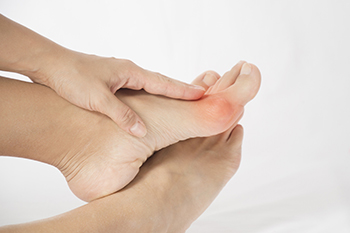
Bunions develop when the big toe shifts toward the other toes and a bony bump forms at its base. This change can make shoes fit differently and can cause discomfort while walking or standing. Symptoms include pain, redness, and swelling around the affected joint. Some patients also develop corns or calluses. Movement of the big toe can become limited, and the area can feel numb or have a burning sensation. A smaller bunion, called a bunionette, can form near the little toe in a similar way.
Several factors can increase the chance of developing bunions. Genetics can play an important role because people can inherit foot features linked to bunion development. These features include flat feet or loose ligaments, which connect bones and support joints. Rheumatoid arthritis and the shape of the foot bones can also contribute. A previous foot injury can be another factor. Tight shoes and high heels do not directly cause bunions, but they can encourage their development in people who are already at risk. They can also make existing bunion symptoms worse.
A podiatrist can evaluate a bunion by examining foot structure, toe position, and joint movement. The assessment can also identify pressure points and determine how the bunion affects walking. Treatment can include custom orthotics, shoe recommendations, and padding to reduce pressure on painful areas. A podiatrist can monitor changes in the bunion and address corns or calluses linked to abnormal pressure. Severe bunions can contribute to bursitis, which is inflammation of a fluid-filled cushion near a joint. They can also lead to crossover toes or other toe changes. Surgery can correct a bunion when appropriate. If you have symptoms of bunions, it is suggested that you schedule an appointment with a podiatrist for diagnosis and treatment.
If you are suffering from bunions, contact one of our podiatrists of Trinity Foot & Ankle . Our doctors can provide the care you need to keep you pain-free and on your feet.
What Is a Bunion?
A bunion is formed of swollen tissue or an enlargement of boney growth, usually located at the base joint of the toe that connects to the foot. The swelling occurs due to the bones in the big toe shifting inward, which impacts the other toes of the foot. This causes the area around the base of the big toe to become inflamed and painful.
Why Do Bunions Form?
Genetics – Susceptibility to bunions are often hereditary
Stress on the feet – Poorly fitted and uncomfortable footwear that places stress on feet, such as heels, can worsen existing bunions
How Are Bunions Diagnosed?
Podiatrists often perform two tests – blood tests and x-rays – when trying to diagnose bunions, especially in the early stages of development. Blood tests help determine if the foot pain is being caused by something else, such as arthritis, while x-rays provide a clear picture of your bone structure to your provider.
How Are Bunions Treated?
- Refrain from wearing heels or similar shoes that cause discomfort
- Select wider shoes that can provide more comfort and reduce pain
- Anti-inflammatory and pain management drugs
- Orthotics or foot inserts
- Surgery
If you have any questions, please feel free to contact our office located in Trinity, FL . We offer the newest diagnostic and treatment technologies for all your foot care needs.
Podiatry Care for Obesity-Related Foot Problems

Extra body weight places greater pressure on the feet, making everyday activities more difficult for many older men and women. The feet support the body's weight with every step, so increased loading can affect joints, muscles, ligaments, and other soft tissues. Research shows that higher body weight is linked to a greater chance of foot pain in older adults. It is also associated with problems like hammer toes and claw toes in some patients. Increased pressure beneath the feet can reduce comfort while walking and affect balance, mobility, and overall quality of life. These changes can make it harder to stay active and maintain independence.
A podiatrist evaluates foot structure, walking patterns, and pressure distribution to identify areas experiencing excessive stress. The examination also looks for changes in toe alignment, joint movement, and skin condition that could affect comfort. Treatment includes custom orthotics, footwear recommendations, and care for painful foot conditions that develop because of increased pressure. A podiatrist can also recommend strategies that improve foot function and reduce unnecessary strain while walking. Regular evaluations help monitor changes in foot health and identify problems before they become more difficult to manage. Improving foot support and movement can also make daily activities more comfortable and help maintain mobility.
Foot pain should never be accepted as a normal part of aging or excess body weight. Persistent discomfort can discourage walking and other forms of activity, creating a cycle that further affects health and mobility. Early podiatry care can improve comfort, reduce pressure on sensitive areas, and help patients remain active with greater confidence. Research found that increasing body weight raises the likelihood of foot pain in both older men and women, highlighting the importance of early evaluation and treatment. If you have symptoms of obesity-related foot pain, it is suggested that you schedule an appointment with a podiatrist for diagnosis and treatment.
Obesity has become very problematic at this point in time and can have extremely negative effects on the feet. If you’re an obese individual and are concerned about your feet, contact one of our podiatrists from Trinity Foot & Ankle . Our doctors can provide the care you need to keep you pain-free and on your feet.
Obesity and Your Feet
Since your feet are what support your entire weight when standing, any additional weight can result in pain and swelling. Being overweight is one of the main contributors to foot complications.
Problems & Complications
Extra Weight – Even putting on just a few extra pounds could create serious complications for your feet. As your weight increases, your balance and body will shift, creating new stresses on your feet. This uneven weight distribution can cause pain, even while doing the simplest tasks, such as walking.
Diabetes – People who are overweight are at serious risk of developing type-2 diabetes, which has a drastic impact on the health of your feet. As you get older, your diabetes might worsen, which could lead to loss of feeling in your feet, sores, and bruises. You could also become more prone to various infections.
Plantar fasciitis – Pressure and stress that is placed on muscles, joints, and tendons can trigger plantar fasciitis, which is an inflammation of tissue that forms along the bottom of the foot.
If you have any questions, please feel free to contact our office located in Trinity, FL . We offer the newest diagnostic and treatment technologies for all your foot care needs.
Do Your Child's Feet Hurt?

Have your child's feet been examined lately? Healthy feet are happy feet. If your child is complaining of foot pain, it may be a sign of underlying problems.
How Foot Health Supports Falls Prevention

Falls are a leading cause of injury, especially among older adults, and healthy feet play an important role in maintaining balance and stability. Foot pain, reduced sensation, and poor joint movement can make walking more difficult and increase the risk of losing balance. Certain foot conditions may also affect the way a person walks, placing extra stress on the body and making everyday activities less safe. Muscle weakness, limited flexibility, and changes in foot structure can further reduce stability. Because many factors contribute to falls, evaluating foot health is an important part of identifying risks before an injury occurs. Early assessment can help improve mobility and support safer movement.
Foot and ankle function directly affects balance with every step. Conditions such as arthritis, bunions, and hammertoes may interfere with normal walking patterns. Other problems, including nerve-related changes, can reduce feeling in the feet and make it harder to detect uneven surfaces. As movement becomes less stable, the risk of slips and falls may increase. A thorough podiatry evaluation helps identify problems that affect balance, foot function, and walking mechanics. Understanding these issues allows a podiatrist to recommend treatment that supports safer mobility and helps reduce the likelihood of future falls.
A podiatrist plays an important role in falls prevention by evaluating foot health, identifying movement concerns, and developing an individualized treatment plan. Professional care may focus on improving foot function, reducing pain, and supporting better balance during daily activities. Regular evaluations also allow changes in foot health to be monitored before they lead to more serious mobility problems. Seeking care early may help maintain independence and reduce the risk of fall-related injuries. If foot pain, balance problems, or changes in the way you walk are affecting your stability, it is suggested that you consult a podiatrist for an evaluation and appropriate treatment options.
Preventing falls among the elderly is very important. If you are older and have fallen or fear that you are prone to falling, consult with one of our podiatrists from Trinity Foot & Ankle . Our doctors will assess your condition and provide you with quality advice and care.
Every 11 seconds, an elderly American is being treated in an emergency room for a fall related injury. Falls are the leading cause of head and hip injuries for those 65 and older. Due to decreases in strength, balance, senses, and lack of awareness, elderly persons are very susceptible to falling. Thankfully, there are a number of things older persons can do to prevent falls.
How to Prevent Falls
Some effective methods that older persons can do to prevent falls include:
- Enrolling in strength and balance exercise program to increase balance and strength
- Periodically having your sight and hearing checked
- Discuss any medications you have with a doctor to see if it increases the risk of falling
- Clearing the house of falling hazards and installing devices like grab bars and railings
- Utilizing a walker or cane
- Wearing shoes that provide good support and cushioning
- Talking to family members about falling and increasing awareness
Falling can be a traumatic and embarrassing experience for elderly persons; this can make them less willing to leave the house, and less willing to talk to someone about their fears of falling. Doing such things, however, will increase the likelihood of tripping or losing one’s balance. Knowing the causes of falling and how to prevent them is the best way to mitigate the risk of serious injury.
If you have any questions, please feel free to contact our office located in Trinity, FL . We offer the newest diagnostic and treatment technologies for all your foot care needs.
