Items filtered by date: March 2026
When Swelling Develops in a Lower Limb
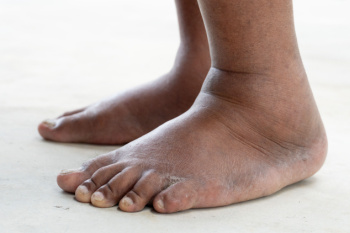
The lower limbs include the parts of the body from the knee down to the foot and toes. Podiatrists often treat conditions that affect this region because problems in the leg, ankle, or foot can affect walking and balance. Swelling in the lower limb can occur for many different reasons. Common causes include injuries such as sprains or fractures, infections, inflammation of joints, or problems with tendons and ligaments. Circulation issues can also lead to swelling, especially when veins have difficulty returning blood from the legs back to the heart. In some cases, fluid builds up in the tissues, causing the leg, ankle, or foot to appear puffy or tight. Long periods of standing, certain medications, and medical conditions may also contribute. Because swelling can signal many different problems, proper evaluation is important. If you notice persistent swelling in the leg, ankle, or foot, it is suggested that you see a podiatrist for a proper diagnosis and appropriate treatment.
Swollen feet can be a sign of an underlying condition. If you have any concerns, contact one of our podiatrists of Trinity Foot & Ankle . Our doctors can provide the care you need to keep you pain-free and on your feet.
Swollen feet are a common ailment among pregnant women and people who stand or sit for extended periods. Aging may increase the possibility of swollen feet and patients who are obese often notice when their feet are swelling too. There may be medical reasons why swollen feet occur:
- Phlebitis - A condition that causes the veins to become inflamed and can also cause leg pain.
- Liver disease - This may lead to low blood levels of albumin which is a protein. This can cause fluid in the blood to pass into the tissues and several areas of the body can become swollen.
- Heart failure - When the heart doesn’t pump properly the blood that is normally pumped back to the heart can pool in the veins of the legs causing swollen feet.
- Kidney disease - One of the main functions of the kidneys is releasing excess fluid in the body. This type of condition can make it difficult for the kidneys to function properly, and as a result the feet may become swollen.
- Deep-vein thrombosis (DVT)- This is a serious condition where blood clots form in the veins of the legs. They can block the return of blood from the legs to the heart which may cause the feet to swell. It is important to be treated by a podiatrist if this condition is present.
Swollen feet can also be caused by bone and tendon conditions, including fractures, arthritis, and tendinitis. Additionally, there may be skin and toenail conditions and an infection may cause the feet to swell. Patients who take medicine to treat high blood pressure may be prone to getting swollen feet.
Many patients elevate their feet to help relieve the swelling and this is generally a temporary remedy. When a podiatrist is consulted the reason behind the swelling can be uncovered and subsequently treated.
If you have any questions please contact our office located in Trinity, FL . We offer the newest diagnostic and treatment technologies for all your foot and ankle needs.
Why Corns and Calluses Develop on Athletes’ Feet
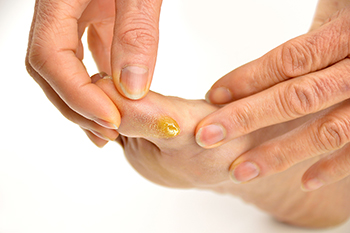
Athletes place repeated pressure on their feet during running, jumping, and quick direction changes. Over time, this constant friction and stress can cause the skin to thicken in certain areas. Corns and calluses are the body’s natural response to protect the skin from ongoing pressure. Calluses usually appear as larger areas of thickened skin on the ball of the foot or heel, while corns are smaller and often form on the tops or sides of toes where shoes rub. Although this thickened skin may begin as a protective response, it can become painful if it continues to build up. Wearing poorly fitting athletic shoes, tight cleats, or foot structure differences may increase pressure on certain parts of the foot. Proper footwear, protective padding, and routine foot care may help reduce irritation. When corns or calluses become painful or keep returning, it is suggested that you see a podiatrist for an evaluation and appropriate treatment.
Corns can make walking very painful and should be treated immediately. If you have questions regarding your feet and ankles, contact one of our podiatrists of Trinity Foot & Ankle . Our doctors will treat your foot and ankle needs.
Corns: What Are They? And How Do You Get Rid of Them?
Corns are thickened areas on the skin that can become painful. They are caused by excessive pressure and friction on the skin. Corns press into the deeper layers of the skin and are usually round in shape.
Ways to Prevent Corns
There are many ways to get rid of painful corns such as:
- Wearing properly fitting shoes that have been measured by a professional
- Wearing shoes that are not sharply pointed or have high heels
- Wearing only shoes that offer support
Treating Corns
Although most corns slowly disappear when the friction or pressure stops, this isn’t always the case. Consult with your podiatrist to determine the best treatment option for your case of corns.
If you have any questions, please feel free to contact our office located in Trinity, FL . We offer the newest diagnostic and treatment technologies for all your foot care needs.
Protecting Your Feet When You Have Diabetes
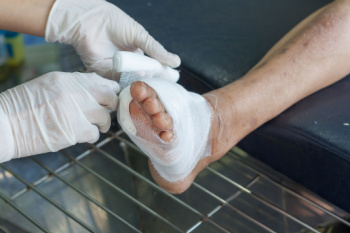
Living with diabetes requires daily attention to foot health. High blood sugar can damage nerves and reduce circulation over time. When feeling decreases, small cuts or blisters may go unnoticed. Poor blood flow can also slow healing, allowing minor injuries to become serious wounds. Common concerns include dry, cracked skin, calluses, infections, and open sores. Changes in foot shape or skin color should also be taken seriously. Even a small problem can worsen quickly without proper care. Washing and drying the feet carefully, applying moisturizer to prevent cracking, and wearing well-fitting shoes are simple but important steps. Checking the bottoms of the feet each day helps detect changes. Regular visits with a podiatrist provide professional monitoring and early treatment when needed. Managing blood sugar levels also plays a key role in protecting foot health. If you have diabetes and notice redness, swelling, numbness, or a sore on your foot that is not healing, it is suggested that you see a podiatrist for a proper diagnosis and appropriate treatment.
Diabetic foot care is important in preventing foot ailments such as ulcers. If you are suffering from diabetes or have any other concerns about your feet, contact one of our podiatrists from Trinity Foot & Ankle . Our doctors can provide the care you need to keep you pain-free and on your feet.
Diabetic Foot Care
Diabetes affects millions of people every year. The condition can damage blood vessels in many parts of the body, especially the feet. Because of this, taking care of your feet is essential if you have diabetes, and having a podiatrist help monitor your foot health is highly recommended.
The Importance of Caring for Your Feet
- Routinely inspect your feet for bruises or sores.
- Wear socks that fit your feet comfortably.
- Wear comfortable shoes that provide adequate support.
Patients with diabetes should have their doctor monitor their blood levels, as blood sugar levels play such a huge role in diabetic care. Monitoring these levels on a regular basis is highly advised.
It is always best to inform your healthcare professional of any concerns you may have regarding your feet, especially for diabetic patients. Early treatment and routine foot examinations are keys to maintaining proper health, especially because severe complications can arise if proper treatment is not applied.
If you have any questions, please feel free to contact our office located in Trinity, FL . We offer the newest diagnostic and treatment technologies for all your foot care needs.
Simple Exercises to Keep Toes and Ankles Moving Well

Gentle exercises can help maintain strength, flexibility, and circulation in the toes, feet, and ankles, especially if you spend a lot of time sitting or notice stiffness when walking. For the toes, try towel scrunches by placing a towel on the floor and using your toes to pull it toward you, which helps activate small stabilizing muscles. For the feet, seated arch lifts are helpful. With feet flat on the floor, gently raise the arch while keeping toes and heel down, then relax. This supports foot alignment and control. For the ankles, ankle circles are an easy option. Slowly rotate the ankle in one direction, then reverse, focusing on smooth movement. These simple exercises can support comfort and balance, but persistent pain or stiffness should be evaluated. If you have foot pain, it is suggested that you consult a podiatrist who can treat various foot and ankle conditions, and guide you on additional foot stretches, tailored to your needs.
Stretching the feet is a great way to prevent injuries. If you have any concerns with your feet consult with one of our podiatrists from Trinity Foot & Ankle . Our doctors will assess your condition and provide you with quality foot and ankle treatment.
Stretching the Feet
Being the backbone of the body, the feet carry your entire weight and can easily become overexerted, causing cramps and pain. As with any body part, stretching your feet can serve many benefits. From increasing flexibility to even providing some pain relief, be sure to give your feet a stretch from time to time. This is especially important for athletes or anyone performing aerobic exercises, but anyone experiencing foot pain or is on their feet constantly should also engage in this practice.
Great ways to stretch your feet:
- Crossing one leg over the others and carefully pull your toes back. Do 10-20 repetitions and repeat the process for each foot
- Face a wall with your arms out and hands flat against the wall. Step back with one foot and keep it flat on the floor while moving the other leg forward. Lean towards the wall until you feel a stretch. Hold for 30 seconds and perform 10 repetitions for each foot
- Be sure not to overextend or push your limbs too hard or you could risk pulling or straining your muscle
Individuals who tend to their feet by regular stretching every day should be able to minimize foot pain and prevent new problems from arising.
If you have any questions please contact our office located in Trinity, FL . We offer the newest diagnostic and treatment technologies for all your foot and ankle needs.
Heel Pain Can Be Treated!

Do you suffer from heel pain when you get up in the morning? If so, you should seek professional help and have a proper diagnosis performed. Heel pain can be caused by several different foot-related conditions.
How Balance Changes With Age and Why It Matters

As people grow older, balance can become less reliable due to changes in strength, sensation, vision, and reaction time. Reduced nerve feedback from the feet and ankles, joint stiffness, and muscle weakness all affect how the body stays upright during movement. Certain medications and chronic conditions may further interfere with coordination. When balance declines, the risk of falls increases, which can lead to injuries, loss of independence, and reduced confidence with daily activities. Early attention can make a meaningful difference. Wearing supportive footwear, strength and stability exercises, vision care, and management of underlying foot or ankle issues may help improve steadiness. Addressing foot pain or altered sensation is especially important, since the feet provide critical feedback for balance control. If unsteadiness, frequent tripping, or a fear of falling develops, it is suggested that you see a podiatrist for a proper evaluation and appropriate care.
If you need your feet checked, contact one of our podiatrists of Trinity Foot & Ankle . Our doctors will attend to all of your foot and ankle needs and provide you with quality treatment.
Geriatrics and Podiatry
When people age, some common issues that may occur are bone density loss, dry skin, poor circulation, and rough brittle nails. These issues may also affect your foot health if the necessary steps are not taken to alleviate the problems.
It is important to take care of your feet because feet that are injured or diseased can affect your overall health. Having painful feet hinders your ability to do daily activities or may decrease your willingness to do the things that you need to do.
Visiting Your Geriatrician
As we age, health problems become more likely, so it is essential to visit your doctor for check-ups to ensure that you are doing the best you can to take care of your health. It is recommended to check your feet frequently for any possible cuts, bruises, swelling, corns or any other irregularities.
Taking Care of Elderly Feet
Cracked or dry feet can be treated by applying moisturizer often. It is also important not to wear old socks because the older the sock is, the higher the possibility there will be that there is bacteria there. Wear fresh socks and make sure they fit properly.
Proper foot health means that you can have a more active lifestyle and you will not be bogged down by pain. Foot health also leads to good circulation, which is paramount for overall health.
If you have any questions, please feel free to contact our office located in Trinity, FL . We offer the newest diagnostic and treatment technologies for all your foot care needs.
