Items filtered by date: July 2026
Athlete’s Foot Identification
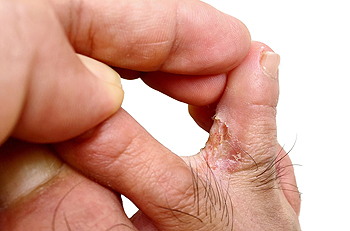
Athlete’s foot is a fungal skin infection that commonly affects the feet, especially the spaces between the toes. It develops when fungi grow in warm, moist environments and spread across the outer layer of skin. This condition is contagious and can be transmitted through shared surfaces such as locker rooms and showers. In some cases, small bumps may appear along with other skin changes, which can make the infection more noticeable. Understanding how to identify athlete’s foot early can help prevent progression and reduce discomfort.
Symptoms of athlete’s foot often include itching, burning, and irritation of the skin. The affected area may appear red, flaky, or cracked, particularly between the toes. Some individuals develop small fluid-filled bumps that may cause additional sensitivity. The skin can become soft or soggy due to excess moisture, and an unpleasant odor may also be present. These symptoms may worsen with continued exposure to damp conditions or tight footwear.
Several causes contribute to the development of athlete’s foot. Fungi thrive in consistently warm and damp environments, making sweaty feet and enclosed shoes a common factor. Walking barefoot in public areas increases exposure to infectious organisms. Additional contributing factors include minor skin injuries and poor hygiene habits. Individuals with a weakened immune system, a genetic predisposition, or poor circulation may be more vulnerable to infection and slower healing.
Risk factors include frequent use of communal facilities, prolonged moisture exposure, and wearing non-breathable shoes. People who experience excessive sweating or have underlying health conditions may face increased risk. Identifying athlete’s foot involves recognizing persistent itching, peeling skin, and the presence of bumps or irritation in typical areas. Early treatment and proper foot care can prevent spread and recurrence. If you have athlete’s foot or related bumps, it is suggested that you consult a podiatrist for effective relief and treatment solutions, which may include prescribed medication.
Athlete’s Foot
Athlete’s foot is often an uncomfortable condition to experience. Thankfully, podiatrists specialize in treating athlete’s foot and offer the best treatment options. If you have any questions about athlete’s foot, consult with one of our podiatrists from Trinity Foot & Ankle . Our doctors will assess your condition and provide you with quality treatment.
What Is Athlete’s Foot?
Tinea pedis, more commonly known as athlete’s foot, is a non-serious and common fungal infection of the foot. Athlete’s foot is contagious and can be contracted by touching someone who has it or infected surfaces. The most common places contaminated by it are public showers, locker rooms, and swimming pools. Once contracted, it grows on feet that are left inside moist, dark, and warm shoes and socks.
Prevention
The most effective ways to prevent athlete’s foot include:
- Thoroughly washing and drying feet
- Avoid going barefoot in locker rooms and public showers
- Using shower shoes in public showers
- Wearing socks that allow the feet to breathe
- Changing socks and shoes frequently if you sweat a lot
Symptoms
Athlete’s foot initially occurs as a rash between the toes. However, if left undiagnosed, it can spread to the sides and bottom of the feet, toenails, and if touched by hand, the hands themselves. Symptoms include:
- Redness
- Burning
- Itching
- Scaly and peeling skin
Diagnosis and Treatment
Diagnosis is quick and easy. Skin samples will be taken and either viewed under a microscope or sent to a lab for testing. Sometimes, a podiatrist can diagnose it based on simply looking at it. Once confirmed, treatment options include oral and topical antifungal medications.
If you have any questions, please feel free to contact our office located in Trinity, FL . We offer the newest diagnostic and treatment technologies for all your foot care needs.
Causes of Swollen Feet During Pregnancy
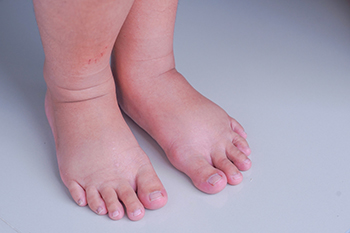
Swollen feet during pregnancy are a common condition that develops as the body adapts to support a growing baby. This swelling, known as edema, occurs when excess fluid collects in the tissues of the feet and ankles. Hormonal changes play a major role, as they cause blood vessels to relax and can slow circulation. At the same time, increased body weight and pressure from the uterus can affect blood flow, leading to fluid buildup in the lower extremities. Many women also notice that their feet appear larger, which can be a result of ligament relaxation and structural changes.
Symptoms often include visible swelling in the feet and ankles, a feeling of tightness in shoes, and mild discomfort while walking or standing. The skin may appear stretched or shiny, and some women experience a heavy sensation in the lower legs. Foot growth during pregnancy is influenced by hormones that loosen ligaments, allowing the arch to flatten slightly. This can lead to a permanent increase in foot size for some individuals, especially after multiple pregnancies.
Risk factors include prolonged standing, high sodium intake, and warm weather conditions that promote fluid retention. Hormonal shifts and natural weight gain place additional stress on the feet, increasing the likelihood of swelling and discomfort. Preventive measures and relief strategies include drinking enough water to support circulation, elevating the feet when possible, and wearing compression socks to reduce fluid buildup. Wearing comfortable and supportive shoes with proper cushioning can also help maintain foot stability.
Managing foot health during pregnancy is important for comfort and mobility. Taking simple steps to reduce swelling can improve daily function and overall well being. Monitoring symptoms and making supportive lifestyle adjustments can make a noticeable difference. If you have swollen or painful feet during your pregnancy, it is suggested that you consult a podiatrist for effective relief and management tips.
Pregnant women with swollen feet can be treated with a variety of different methods that are readily available. For more information about other cures for swollen feet during pregnancy, consult with one of our podiatrists from Trinity Foot & Ankle . Our doctors will attend to all of your foot and ankle needs.
What Foot Problems Can Arise During Pregnancy?
One problem that can occur is overpronation, which occurs when the arch of the foot flattens and tends to roll inward. This can cause pain and discomfort in your heels while you’re walking or even just standing up, trying to support your baby.
Another problem is edema, or swelling in the extremities. This often affects the feet during pregnancy but tends to occur in the later stages.
How Can I Keep My Feet Healthy During Pregnancy?
- Wearing orthotics can provide extra support for the feet and help distribute weight evenly
- Minimize the amount of time spent walking barefoot
- Wear shoes with good arch support
- Wear shoes that allow for good circulation to the feet
- Elevate feet if you experience swelling
- Massage your feet
- Get regular, light exercise, such as walking, to promote blood circulation to the feet
If you have any questions, please feel free to contact our office located in Trinity, FL . We offer the newest diagnostic and treatment technologies for all your foot care needs.
Plantar Fasciitis and Foot Pain
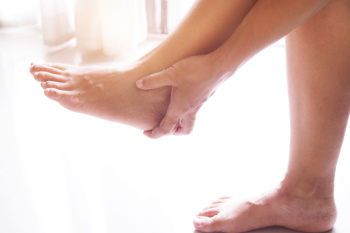
Plantar fasciitis is one of the most common causes of heel pain. It develops when the plantar fascia, a strong band of tissue that supports the arch of the foot, becomes irritated from repeated stress. Many people notice sharp pain near the bottom of the heel, especially with their first steps after getting out of bed or following a long period of sitting. The discomfort often improves after moving for a short time but may return after standing or walking for long periods. Plantar fasciitis can affect anyone, although it is more common in runners, people who spend many hours on their feet, and those with certain foot structures. Early diagnosis is important because ongoing irritation can make the condition more difficult to treat.
A podiatrist can determine whether plantar fasciitis is causing your heel pain or if another foot condition is responsible. During an examination, the podiatrist checks the location of the pain, evaluates foot movement, and looks for factors that place extra stress on the plantar fascia. Treatment is based on the cause and severity of the condition. Professional care may include custom orthotics, supportive footwear recommendations, or other medical treatments to reduce strain on the affected tissue. A podiatrist also monitors your progress and adjusts treatment as your symptoms improve. Early care may help reduce pain and improve your ability to stay active.
Professional plantar fasciitis treatment can help improve comfort, restore mobility, and protect your long-term foot health. Addressing symptoms early may also reduce the risk of long-lasting heel pain and ongoing inflammation. A podiatrist creates a personalized treatment plan that focuses on relieving pain while improving foot function. Whether heel pain develops gradually or begins after increased activity, prompt podiatry care can support a safer recovery. If you have heel pain or pain in the arch of your foot, it is suggested that you consult a podiatrist for an evaluation.
Plantar fasciitis can be very painful and inconvenient. If you are experiencing heel pain or symptoms of plantar fasciitis, contact one of our podiatrists from Trinity Foot & Ankle . Our doctors can provide the care you need to keep you pain-free and on your feet.
What Is Plantar Fasciitis?
Plantar fasciitis is the inflammation of the thick band of tissue that runs along the bottom of your foot, known as the plantar fascia, and causes mild to severe heel pain.
What Causes Plantar Fasciitis?
- Excessive running
- Non-supportive shoes
- Overpronation
- Repeated stretching and tearing of the plantar fascia
How Can It Be Treated?
- Conservative measures – anti-inflammatories, ice packs, stretching exercises, physical therapy, orthotic devices
- Shockwave therapy – sound waves are sent to the affected area to facilitate healing and are usually used for chronic cases of plantar fasciitis
- Surgery – usually only used as a last resort when all else fails. The plantar fascia can be surgically detached from the heel
While very treatable, plantar fasciitis is definitely not something that should be ignored. Especially in severe cases, speaking to your doctor right away is highly recommended to avoid complications and severe heel pain. Your podiatrist can work with you to provide the appropriate treatment options tailored to your condition.
If you have any questions, please feel free to contact our office located in Trinity, FL . We offer the newest diagnostic and treatment technologies for all your foot care needs.
Heel Pain May Indicate Sever’s Disease

Sever’s disease is a painful heel condition that affects growing children, especially those who participate in running or jumping sports. It is not a disease in the usual sense but an irritation of the heel’s growth plate, which is the area where new bone is still forming. This growth plate sits at the back of the heel bone, near where the Achilles tendon attaches. When a child runs, jumps, or lands hard, repeated pulling and pressure can irritate this area. Soccer, basketball, gymnastics, and football can place extra stress on the heel.
Heel pain from Sever’s disease usually develops slowly. A child may describe the pain as feeling like a bruise at the back or bottom of the heel. The pain is usually worse with sports, running in cleats, or wearing shoes that lack adequate support. Swelling and bruising are not always seen. Some children limp, walk on their toes, or stop wanting to play. Tight calf muscles, flat feet, and high-arched feet can increase stress on the heel. A podiatrist can examine the heel, check the foot structure, and look at how the child walks.
Diagnosis does not rely on symptoms alone. A podiatrist can tell whether the pain is from Sever’s disease or another problem. X-rays can be ordered to check bone growth and rule out other causes of heel pain. A stress fracture, tendon irritation, or a bone cyst may produce similar symptoms. Treatment of Sever’s disease includes shoe changes, heel lifts, custom orthotics, and activity guidance based on the child’s exam. A podiatrist can also address tight calf muscles and foot mechanics that add strain to the heel. If your active child complains of heel pain, it is suggested that you schedule an appointment with a podiatrist for a diagnosis and effective relief tips.
Sever's disease often occurs in children and teens. If your child is experiencing foot or ankle pain, see one of our podiatrists from Trinity Foot & Ankle . Our doctors can treat your child’s foot and ankle needs.
Sever’s Disease
Sever’s disease is also known as calcaneal apophysitis, which is a medical condition that causes heel pain I none or both feet. The disease is known to affect children between the ages of 8 and 14.
Sever’s disease occurs when part of the child’s heel known as the growth plate (calcaneal epiphysis) is attached to the Achilles tendon. This area can suffer injury when the muscles and tendons of the growing foot do not keep pace with bone growth. Therefore, the constant pain which one experiences at the back of the heel will make the child unable to put any weight on the heel. The child is then forced to walk on their toes.
Symptoms
Acute pain – Pain associated with Sever’s disease is usually felt in the heel when the child engages in physical activity such as walking, jumping and or running.
Highly active – Children who are very active are among the most susceptible in experiencing Sever’s disease, because of the stress and tension placed on their feet.
If you have any questions, please feel free to contact our office located in Trinity, FL . We offer the newest diagnostic and treatment technologies for all your foot care needs.
It's Time for Beautiful Feet

You don't need an excuse to have beautiful nails. Step outside without worrying about the appearance of your feet.
