Items filtered by date: April 2026
Exercises for Pain in the Ball of the Foot

Pain in the ball of the foot, often called metatarsalgia, can result from overuse, high-impact activities, wearing improper footwear, or conditions such as bunions or hammertoes. It may feel like a burning, aching, or sharp sensation that worsens with standing or walking. Simple, targeted exercises can help improve strength and flexibility. Calf raises help support the forefoot and are performed by slowly lifting your heels off the ground, then lowering back down with control. Tiptoe walking is another effective option, encouraging balance and strengthening foot muscles by walking forward on your toes for short distances. A golf ball roll can relieve tension, using gentle pressure to massage the sole by rolling your foot over a golf ball. These exercises may ease discomfort and improve function. If pain continues, it is suggested that you see a podiatrist for evaluation and care, which may include additional suggested exercises.
Exercising your feet regularly with the proper foot wear is a great way to prevent injuries and build strength. If you have any concerns about your feet, contact one of our podiatrists from Trinity Foot & Ankle . Our doctors can provide the care you need to keep you pain-free and on your feet.
Exercise for Your Feet
Exercise for your feet can help you gain strength, mobility and flexibility in your feet. They say that strengthening your feet can be just as rewarding as strengthening another part of the body. Your feet are very important, and we often forget about them in our daily tasks. But it is because of our feet that are we able to get going and do what we need to. For those of us fortunate enough to not have any foot problems, it is an important gesture to take care of them to ensure good health in the long run.
Some foot health exercises can include ankle pumps, tip-toeing, toe rises, lifting off the floor doing reps and sets, and flexing the toes. It is best to speak with Our doctors to determine an appropriate regimen for your needs. Everyone’s needs and bodies are different, and the activities required to maintain strength in the feet vary from individual to individual.
Once you get into a routine of doing regular exercise, you may notice a difference in your feet and how strong they may become.
If you have any questions, please feel free to contact our office located in Trinity, FL . We offer the newest diagnostic and treatment technologies for all your foot care needs.
Saving Limbs Through Early and Team-Based Foot Care

Severe circulation problems in a lower extremity and open sores with infection can place a limb at serious risk. This is especially true for people with diabetes, where nerve damage and reduced blood flow can delay healing and mask early warning signs. In many cases, loss of part of the leg can be prevented when care begins early and is well-coordinated. These conditions are rarely simple. Pressure, bacteria, and poor tissue health often combine, making recovery more difficult. Successful care often involves a group of providers working together, including specialists in circulation, wound care, and foot health. Each focuses on restoring blood flow, reducing pressure, and supporting healing. Regular monitoring and patient involvement also play an important role. If you have diabetes and notice a slow-healing sore or signs of infection, it is suggested that you are under the care of a podiatrist for appropriate treatment and help in managing this serious condition.
Diabetic Limb Salvage
Diabetic limb salvage can be an effective way in preventing the need for limb amputation. If you have a foot ulcer and diabetes, consult with one of our podiatrists from Trinity Foot & Ankle . Our doctors will assess your condition and provide you with quality foot and ankle treatment.
What Is Diabetic Limb Salvage?
Diabetic limb salvage is the attempt of saving a limb, such as the foot, that has an infected ulcer, from amputation. Podiatrists also try to make sure that there is enough function in the foot after the salvage that it is still usable. Those with diabetes experience poor blood circulation, which prevents proper healing of an ulcer. If the ulcer is left uncheck, it could become infected, which could result in the need for amputation.
Diabetes is the number one cause of non-traumatic amputations in the United States. Amputation has been found to lead to higher mortality rates. This translates into higher healthcare costs, and a reduced quality of life and mobility for amputees. Podiatrists have attempted to increase the prevalence of limb salvage in an attempt to solve these issues.
Diagnosis and Treatment
Limb salvage teams have grown in recent years that utilize a number of different treatments to save the infected limb. This includes podiatrists that specialize in wound care, rehabilitation, orthotics, and surgery. Through a combination of these methods, limb salvage has been found to be an effective treatment for infected limbs, and as an alternative to amputation. Podiatrists will first evaluate the potential for limb salvage and determine if the limb can be saved or must be amputated.
If you have any questions, please feel free to contact our office located in Trinity, FL . We offer the newest diagnostic and treatment technologies for all your foot care needs.
Pain on the Bottom of the Foot
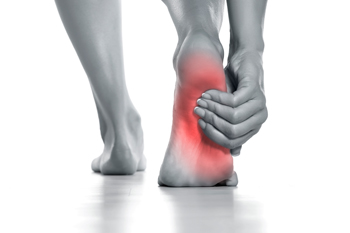
Pain on the bottom of the foot can come from plantar fasciitis or plantar warts, and the source is not always obvious at first. Plantar fasciitis typically causes a deep, aching, or sharp pain near the heel, especially with the first steps in the morning or after rest. The area may feel tight and sore, but usually does not show visible skin changes. In contrast, plantar warts are caused by a viral infection and often appear as small, rough growths with a thickened surface. They may have tiny black dots and can cause pain when direct pressure is applied while standing or walking. A podiatrist can distinguish between these conditions through a clinical exam and recommend appropriate care. Treatment options include supportive footwear, custom orthotics, and targeted exercises for plantar fasciitis, and specialized removal or topical therapy for warts. If you have pain in the bottom of your foot, it is suggested that you make an appointment with a podiatrist.
Foot Pain
Foot pain can be extremely painful and debilitating. If you have a foot pain, consult with one of our podiatrists from Trinity Foot & Ankle . Our doctors will assess your condition and provide you with quality foot and ankle treatment.
Causes
Foot pain is a very broad condition that could be caused by one or more ailments. The most common include:
- Bunions
- Hammertoes
- Plantar Fasciitis
- Bone Spurs
- Corns
- Tarsal Tunnel Syndrome
- Ingrown Toenails
- Arthritis (such as Gout, Rheumatoid, and Osteoarthritis)
- Flat Feet
- Injury (from stress fractures, broken toe, foot, ankle, Achilles tendon ruptures, and sprains)
- And more
Diagnosis
To figure out the cause of foot pain, podiatrists utilize several different methods. This can range from simple visual inspections and sensation tests to X-rays and MRI scans. Prior medical history, family medical history, and any recent physical traumatic events will all be taken into consideration for a proper diagnosis.
Treatment
Treatment depends upon the cause of the foot pain. Whether it is resting, staying off the foot, or having surgery; podiatrists have a number of treatment options available for foot pain.
If you have any questions, please feel free to contact our office located in Trinity, FL . We offer the newest diagnostic and treatment technologies for all your foot care needs.
Minimally Invasive Surgery for Long-Lasting Heel Pain

Persistent heel pain on the bottom of the foot can make walking and standing difficult, over time. When rest, stretching, and other non-surgical treatments do not provide relief, a minimally invasive procedure may be considered. This type of treatment uses small instruments and a camera to view and treat the problem area through tiny openings in the skin. The goal is to release tight tissue and reduce strain on the heel. Because the openings are small, there is often less disruption to surrounding structures and a shorter recovery period compared to traditional surgery. Many patients are able to return to daily activities more quickly with proper guidance. Not every case requires this approach, and careful evaluation is important. If heel pain continues despite treatment, it is suggested that you see a podiatrist to discuss appropriate options and next steps.
Foot surgery is sometimes necessary to treat a foot ailment. To learn more, contact one of our podiatrists of Trinity Foot & Ankle . Our doctors will assist you with all of your foot and ankle needs.
When Is Surgery Necessary?
Foot and ankle surgery is generally reserved for cases in which less invasive, conservative procedures have failed to alleviate the problem. Some of the cases in which surgery may be necessary include:
- Removing foot deformities like bunions and bone spurs
- Severe arthritis that has caused bone issues
- Cosmetic reconstruction
What Types of Surgery Are There?
The type of surgery you receive will depend on the nature of the problem you have. Some of the possible surgeries include:
- Bunionectomy for painful bunions
- Surgical fusion for realignment of bones
- Neuropathy decompression surgery to treat nerve damage
Benefits of Surgery
Although surgery is usually a last resort, it can provide more complete pain relief compared to non-surgical methods and may allow you to finally resume full activity.
Surgical techniques have also become increasingly sophisticated. Techniques like endoscopic surgery allow for smaller incisions and faster recovery times.
If you have any questions, please feel free to contact our office located in Trinity, FL . We offer the newest diagnostic and treatment technologies for all your foot care needs.
Why Live with Pain and Numbness in Your Feet?

Suffering from this type of pain? You may have the foot condition known as Morton's neuroma. Morton's neuroma may develop as a result of ill-fitting footwear and existing foot deformities. We can help.
