Items filtered by date: December 2025
Types and Risk Factors for Achilles Tendon Injuries
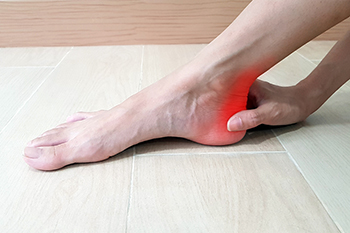
The long band of tissue at the back of the ankle, known as the Achilles tendon, allows the heel to lift when walking, running, or climbing stairs. When this tendon becomes irritated from overuse, Achilles tendinitis can develop, causing pain, stiffness, and swelling near the heel. If the tendon is repeatedly strained, the fibers can weaken, leading to degeneration called Achilles tendinosis. A sudden force to the foot or landing awkwardly from a jump can cause a tear, or rupture, which often produces sharp pain and makes it difficult to walk normally or stand on tiptoe. Risk of an Achilles tendon injury increases with running uphill, quick changes in direction, tight calf muscles, or wearing flip-flops or worn out shoes. A podiatrist can diagnose the injury, recommend supportive footwear, prescribe orthotics, or advise if surgery is necessary. If you have injured your Achilles tendon, it is suggested that you schedule an appointment with a podiatrist for a diagnosis and appropriate treatment.
Achilles tendon injuries need immediate attention to avoid future complications. If you have any concerns, contact one of our podiatrists of Trinity Foot & Ankle . Our doctors can provide the care you need to keep you pain-free and on your feet.
What Is the Achilles Tendon?
The Achilles tendon is a tendon that connects the lower leg muscles and calf to the heel of the foot. It is the strongest tendon in the human body and is essential for making movement possible. Because this tendon is such an integral part of the body, any injuries to it can create immense difficulties and should immediately be presented to a doctor.
What Are the Symptoms of an Achilles Tendon Injury?
There are various types of injuries that can affect the Achilles tendon. The two most common injuries are Achilles tendinitis and ruptures of the tendon.
Achilles Tendinitis Symptoms
- Inflammation
- Dull to severe pain
- Increased blood flow to the tendon
- Thickening of the tendon
Rupture Symptoms
- Extreme pain and swelling in the foot
- Total immobility
Treatment and Prevention
Achilles tendon injuries are diagnosed by a thorough physical evaluation, which can include an MRI. Treatment involves rest, physical therapy, and in some cases, surgery. However, various preventative measures can be taken to avoid these injuries, such as:
- Thorough stretching of the tendon before and after exercise
- Strengthening exercises like calf raises, squats, leg curls, leg extensions, leg raises, lunges, and leg presses
If you have any questions please feel free to contact our office located in Trinity, FL . We offer the newest diagnostic tools and technology to treat your foot and ankle needs.
Supporting Healthy Feet as You Age
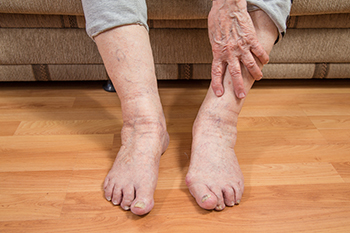
As the body changes with age, the feet often feel the effects first because they carry the weight of every step. Skin may become thinner and drier, toenails may thicken, and flexibility can decrease, making routine care more important. Many older adults experience reduced sensation or slower healing, which means small issues like corns, cracks, or nail problems can progress more quickly than expected. Choosing supportive footwear, moisturizing regularly, and checking the feet each day for redness, swelling, or pressure spots can help maintain comfort and stability. Gentle stretching and staying active can also improve circulation and mobility. Being consistent with foot care supports safer movement and overall well-being. If you notice persistent discomfort, skin changes, or difficulty walking, it is suggested that you schedule an appointment with a podiatrist for individualized guidance.
Proper foot care is something many older adults forget to consider. If you have any concerns about your feet and ankles, contact one of our podiatrists from Trinity Foot & Ankle . Our doctors can provide the care you need to keep you pain-free and on your feet.
The Elderly and Their Feet
As we age we start to notice many changes in our body, but the elder population may not notice them right away. Medical conditions may prevent the elderly to take notice of their foot health right away. Poor vision is a lead contributor to not taking action for the elderly.
Common Conditions
- Neuropathy – can reduce feeling in the feet and can hide many life-threatening medical conditions.
- Reduced flexibility – prevents the ability of proper toenail trimming, and foot cleaning. If left untreated, it may lead to further medical issues.
- Foot sores – amongst the older population can be serious before they are discovered. Some of the problematic conditions they may face are:
- Gouging toenails affecting nearby toe
- Shoes that don’t fit properly
- Pressure sores
- Loss of circulation in legs & feet
- Edema & swelling of feet and ankles
Susceptible Infections
Diabetes and poor circulation can cause general loss of sensitivity over the years, turning a simple cut into a serious issue.
If you have any questions, please feel free to contact our office located in Trinity, FL . We offer the newest diagnostic and treatment technologies for all your foot care needs.
Staying Steady and Confident as an Older Adult
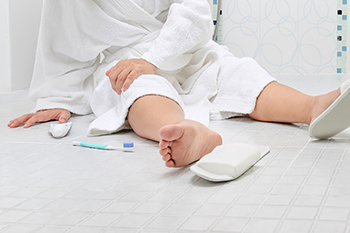
Preventing falls becomes increasingly important with age as balance, strength, and sensory changes can make daily movement less secure. Many older adults experience reduced sensation in the feet, slower reflexes, or joint stiffness that affects stability. Foot pain, poorly fitting shoes, and untreated foot conditions can also increase the risk of tripping or slipping. Simple adjustments such as wearing supportive footwear, keeping walkways clear, improving lighting, and maintaining regular activity can make the home environment much safer. Routine foot evaluations help identify issues that may interfere with balance before they lead to an injury. Paying attention to these details supports confidence with every step. If you are concerned about stability or have persistent foot discomfort, it is suggested that you schedule an appointment with a podiatrist for a proper assessment and guidance.
Preventing falls among the elderly is very important. If you are older and have fallen or fear that you are prone to falling, consult with one of our podiatrists from Trinity Foot & Ankle . Our doctors will assess your condition and provide you with quality advice and care.
Every 11 seconds, an elderly American is being treated in an emergency room for a fall related injury. Falls are the leading cause of head and hip injuries for those 65 and older. Due to decreases in strength, balance, senses, and lack of awareness, elderly persons are very susceptible to falling. Thankfully, there are a number of things older persons can do to prevent falls.
How to Prevent Falls
Some effective methods that older persons can do to prevent falls include:
- Enrolling in strength and balance exercise program to increase balance and strength
- Periodically having your sight and hearing checked
- Discuss any medications you have with a doctor to see if it increases the risk of falling
- Clearing the house of falling hazards and installing devices like grab bars and railings
- Utilizing a walker or cane
- Wearing shoes that provide good support and cushioning
- Talking to family members about falling and increasing awareness
Falling can be a traumatic and embarrassing experience for elderly persons; this can make them less willing to leave the house, and less willing to talk to someone about their fears of falling. Doing such things, however, will increase the likelihood of tripping or losing one’s balance. Knowing the causes of falling and how to prevent them is the best way to mitigate the risk of serious injury.
If you have any questions, please feel free to contact our office located in Trinity, FL . We offer the newest diagnostic and treatment technologies for all your foot care needs.
Understanding Diabetic Neuropathy
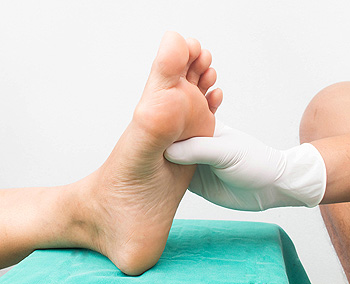
Diabetic neuropathy is a common complication of diabetes that affects the nerves in the feet and lower legs. Over time, elevated blood sugar levels can damage these nerves, leading to symptoms such as tingling, numbness, burning, or sharp pain. Some people notice a gradual loss of sensation, making it harder to feel temperature changes or small injuries. Others experience discomfort that interferes with sleep or daily activity. Because this condition develops slowly, many individuals do not realize the extent of the nerve damage until symptoms become more noticeable. Reduced sensation increases the risk of unnoticed cuts, blisters, or pressure points that can progress into serious wounds. Early detection and consistent foot care play a significant role in preventing complications. A podiatrist can identify changes, recommend protective strategies, and provide treatment options to manage symptoms and maintain foot health. If you are experiencing numbness or pain in your feet, it is suggested that you see a podiatrist for evaluation and appropriate care.
Neuropathy
Neuropathy can be a potentially serious condition, especially if it is left undiagnosed. If you have any concerns that you may be experiencing nerve loss in your feet, consult with one of our podiatrists from Trinity Foot & Ankle . Our doctors will assess your condition and provide you with quality foot and ankle treatment for neuropathy.
What Is Neuropathy?
Neuropathy is a condition that leads to damage to the nerves in the body. Peripheral neuropathy, or neuropathy that affects your peripheral nervous system, usually occurs in the feet. Neuropathy can be triggered by a number of different causes. Such causes include diabetes, infections, cancers, disorders, and toxic substances.
Symptoms of Neuropathy Include:
- Numbness
- Sensation loss
- Prickling and tingling sensations
- Throbbing, freezing, burning pains
- Muscle weakness
Those with diabetes are at serious risk due to being unable to feel an ulcer on their feet. Diabetics usually also suffer from poor blood circulation. This can lead to the wound not healing, infections occurring, and the limb may have to be amputated.
Treatment
To treat neuropathy in the foot, podiatrists will first diagnose the cause of the neuropathy. Figuring out the underlying cause of the neuropathy will allow the podiatrist to prescribe the best treatment, whether it be caused by diabetes, toxic substance exposure, infection, etc. If the nerve has not died, then it’s possible that sensation may be able to return to the foot.
Pain medication may be issued for pain. Electrical nerve stimulation can be used to stimulate nerves. If the neuropathy is caused from pressure on the nerves, then surgery may be necessary.
If you have any questions, please feel free to contact our office located in Trinity, FL . We offer the newest diagnostic and treatment technologies for all your foot care needs.
Try Laser Treatment For Toenail Fungus

Laser treatment can bring new hope to people suffering from onychomycosis, or toenail fungus. Laser treatment for fungal nails poses none of the risks and harmful side effects of oral anti-fungal medications. Treatment is painless and requires very little time or set-up, unlike other laser therapies.
Caring for Growing Feet in Childhood
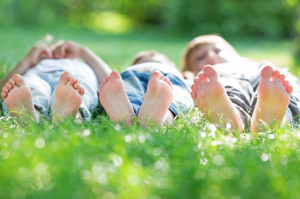
Children’s feet change quickly as they grow, and paying attention to their comfort can support healthy development. Many kids experience periods of rapid growth that can briefly affect balance or coordination, and it is common for their feet to look flat in early years as the arch gradually forms. Well-fitting shoes with enough room for the toes to move freely are one of the simplest ways to keep young feet comfortable. Noticing how your child walks can also be helpful, especially if they seem to trip often, favor one foot, or complain of pain after activity. Minor aches may come and go, but ongoing discomfort can signal issues that deserve a closer look. A podiatrist can assess alignment, gait, and development to ensure everything is progressing as it should. If concerns about your child’s feet persist, it is suggested that you see a podiatrist for proper guidance.
The health of a child’s feet is vital to their overall well-being. If you have any questions regarding foot health, contact one of our podiatrists of Trinity Foot & Ankle . Our doctors can provide the care you need to keep you pain-free and on your feet.
Tips for Keeping Children's Feet Healthy
- Make sure their shoes fit properly
- Look for any signs of in-toeing or out-toeing
- Check to see if they have Clubfoot (condition that affects your child’s foot and ankle, twisting the heel and toes inward) which is one of the most common nonmajor birth defects.
- Lightly cover your baby’s feet (Tight covers may keep your baby from moving their feet freely, and could prevent normal development)
- Allow your toddler to go shoeless (Shoes can be restricting for a young child’s foot)
- Cut toenails straight across to avoid ingrown toenails
- Keep your child’s foot clean and dry
- Cover cuts and scrapes. Wash any scratches with soap and water and cover them with a bandage until they’ve healed.
If you have any questions, please feel free to contact our office located in Trinity, FL . We offer the newest diagnostic and treatment technologies for all your foot care needs.
