Items filtered by date: May 2026
Ingrown Toenails and When Treatment Is Needed
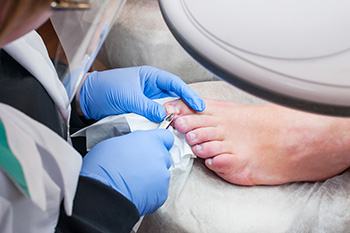
An ingrown toenail occurs when the edge of the nail grows into the surrounding skin, leading to irritation and discomfort. Symptoms include redness, swelling, tenderness, and sometimes drainage if the area becomes irritated. Risk factors include improper nail trimming, tight footwear, injury, and natural nail shape. When conservative care does not relieve symptoms, a partial nail avulsion may be recommended. This procedure involves carefully removing a small portion of the affected nail to relieve pressure and allow the area to heal. It is often advised for those with recurring or painful ingrown nails. A podiatrist can safely perform this treatment, provide care, and help prevent future issues of this kind. If you have developed a painful ingrown toenail, it is suggested that you consult a podiatrist who can provide effective relief and treatment solutions, which may include minor surgery.
Foot surgery is sometimes necessary to treat a foot ailment. To learn more, contact one of our podiatrists of Trinity Foot & Ankle . Our doctors will assist you with all of your foot and ankle needs.
When Is Surgery Necessary?
Foot and ankle surgery is generally reserved for cases in which less invasive, conservative procedures have failed to alleviate the problem. Some of the cases in which surgery may be necessary include:
- Removing foot deformities like bunions and bone spurs
- Severe arthritis that has caused bone issues
- Cosmetic reconstruction
What Types of Surgery Are There?
The type of surgery you receive will depend on the nature of the problem you have. Some of the possible surgeries include:
- Bunionectomy for painful bunions
- Surgical fusion for realignment of bones
- Neuropathy decompression surgery to treat nerve damage
Benefits of Surgery
Although surgery is usually a last resort, it can provide more complete pain relief compared to non-surgical methods and may allow you to finally resume full activity.
Surgical techniques have also become increasingly sophisticated. Techniques like endoscopic surgery allow for smaller incisions and faster recovery times.
If you have any questions, please feel free to contact our office located in Trinity, FL . We offer the newest diagnostic and treatment technologies for all your foot care needs.
Dangers of Poor Proprioception in the Feet
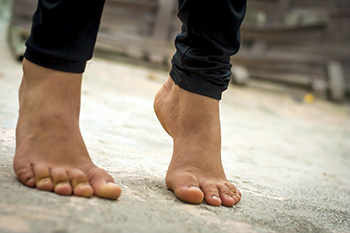
Proprioception is the body’s ability to sense position and movement without looking. It allows people to walk, stand, and adjust balance with ease. When this system does not work well, coordination and stability can suffer. Poor proprioception can lead to frequent missteps, ankle sprains, and falls, especially on uneven surfaces. It may also cause slower reaction times, making it harder for the feet and ankles to respond to sudden changes in movement. Causes include aging, previous injuries, nerve problems, and reduced joint awareness. A podiatrist can evaluate balance, joint motion, and nerve function to determine the source of the problem. Treatment plans include targeted exercises, bracing, or custom orthotics to improve foot stability and alignment. If you have symptoms of poor proprioception, it is suggested that you schedule an appointment with a podiatrist for a diagnosis and appropriate treatment.
If you have any concerns about your feet, contact one of our podiatrists from Trinity Foot & Ankle . Our doctors can provide the care you need to keep you pain-free and on your feet.
Biomechanics in Podiatry
Podiatric biomechanics is a particular sector of specialty podiatry with licensed practitioners who are trained to diagnose and treat conditions affecting the foot, ankle and lower leg. Biomechanics deals with the forces that act against the body, causing an interference with the biological structures. It focuses on the movement of the ankle, the foot and the forces that interact with them.
A History of Biomechanics
- Biomechanics dates back to the BC era in Egypt where evidence of professional foot care has been recorded.
- In 1974, biomechanics gained a higher profile from the studies of Merton Root, who claimed that by changing or controlling the forces between the ankle and the foot, corrections or conditions could be implemented to gain strength and coordination in the area.
Modern technological improvements are based on past theories and therapeutic processes that provide a better understanding of podiatric concepts for biomechanics. Computers can provide accurate information about the forces and patterns of the feet and lower legs.
Understanding biomechanics of the feet can help improve and eliminate pain, stopping further stress to the foot.
If you have any questions please feel free to contact our office located in Trinity, FL . We offer the newest diagnostic and treatment technologies for all your foot and ankle needs.
Tingling in the Feet and Diabetic Neuropathy
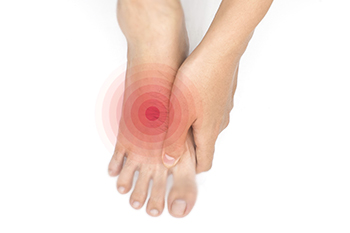
Tingling in the feet is often one of the first signs of diabetic neuropathy, a nerve problem caused by diabetes. High blood sugar levels can damage the nerves and reduce normal blood flow to the feet. This can lead to tingling, numbness, and burning pain in the feet. Sharp shooting pain, weakness, and unusually hot or cold feet are other symptoms. These symptoms often affect both feet and can become worse at night. When feeling in the feet is reduced, it is harder to notice cuts, blisters, or sores that can lead to infection and ulcers. Poor balance and walking problems may also develop. A podiatrist can examine the feet, test nerve sensation, check circulation, and help prevent serious complications. Regular foot exams are important for people with diabetes. If you have tingling sensations in the feet, it is suggested that you schedule an appointment with a podiatrist for a diagnosis and appropriate treatment.
Neuropathy
Neuropathy can be a potentially serious condition, especially if it is left undiagnosed. If you have any concerns that you may be experiencing nerve loss in your feet, consult with one of our podiatrists from Trinity Foot & Ankle . Our doctors will assess your condition and provide you with quality foot and ankle treatment for neuropathy.
What Is Neuropathy?
Neuropathy is a condition that leads to damage to the nerves in the body. Peripheral neuropathy, or neuropathy that affects your peripheral nervous system, usually occurs in the feet. Neuropathy can be triggered by a number of different causes. Such causes include diabetes, infections, cancers, disorders, and toxic substances.
Symptoms of Neuropathy Include:
- Numbness
- Sensation loss
- Prickling and tingling sensations
- Throbbing, freezing, burning pains
- Muscle weakness
Those with diabetes are at serious risk due to being unable to feel an ulcer on their feet. Diabetics usually also suffer from poor blood circulation. This can lead to the wound not healing, infections occurring, and the limb may have to be amputated.
Treatment
To treat neuropathy in the foot, podiatrists will first diagnose the cause of the neuropathy. Figuring out the underlying cause of the neuropathy will allow the podiatrist to prescribe the best treatment, whether it be caused by diabetes, toxic substance exposure, infection, etc. If the nerve has not died, then it’s possible that sensation may be able to return to the foot.
Pain medication may be issued for pain. Electrical nerve stimulation can be used to stimulate nerves. If the neuropathy is caused from pressure on the nerves, then surgery may be necessary.
If you have any questions, please feel free to contact our office located in Trinity, FL . We offer the newest diagnostic and treatment technologies for all your foot care needs.
Wounds That Don't Heal Need to Be Checked

Your feet are covered most of the day. If you're diabetic, periodic screening is important for good health. Numbness is often a sign of diabetic foot and can mask a sore or wound.
How Toe Deformities Can Disrupt Foot Mechanics and Increase Strain
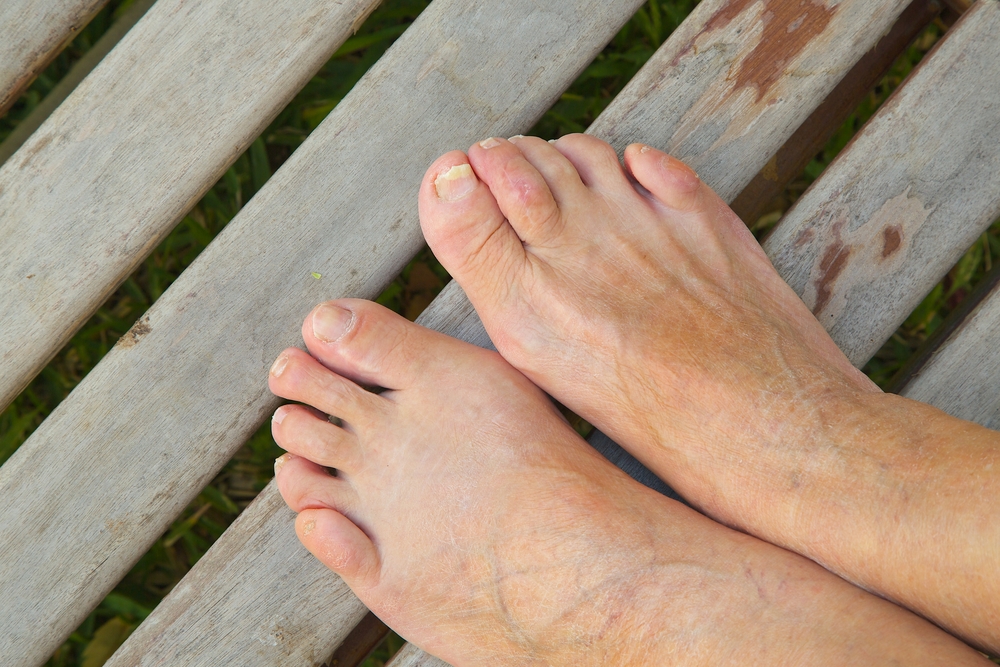
A hammertoe occurs when one of the smaller toes bends abnormally at the middle joint, creating a curled or claw-like shape. While it may begin as a mild change, it can gradually affect how the entire foot functions. As the toe loses its normal position, pressure shifts to the ball of the foot, altering weight distribution with each step. This can place extra demand on surrounding joints, tendons, and muscles, leading to compensation patterns in walking. Over time, these changes can increase tension along the sole of the foot, particularly in the plantar fascia, the band of tissue that supports the arch. As strain builds, discomfort may extend beyond the toes into the heel or ankle. Without proper management, the condition can worsen and impact overall mobility. If you have a hammertoe, it is suggested that you seek early care and guidance from a podiatrist who can help restore balance and reduce ongoing foot stress.
Hammertoes can be a painful condition to live with. For more information, contact one of our podiatrists of Trinity Foot & Ankle . Our doctors will answer any of your foot- and ankle-related questions.
Hammertoe
Hammertoe is a foot deformity that occurs due to an imbalance in the muscles, tendons, or ligaments that normally hold the toe straight. It can be caused by the type of shoes you wear, your foot structure, trauma, and certain disease processes.
Symptoms
- Painful and/or difficult toe movement
- Swelling
- Joint stiffness
- Calluses/Corns
- Physical deformity
Risk Factors
- Age – The risk of hammertoe increases with age
- Sex – Women are more likely to have hammertoe compared to men
- Toe Length – You are more likely to develop hammertoe if your second toe is longer than your big toe
- Certain Diseases – Arthritis and diabetes may make you more likely to develop hammertoe
Treatment
If you have hammertoe, you should change into a more comfortable shoe that provides enough room for your toes. Exercises such as picking up marbles may strengthen and stretch your toe muscles. Nevertheless, it is important to seek assistance from a podiatrist in order to determine the severity of your hammertoe and see which treatment option will work best for you.
If you have any questions, please feel free to contact our office located in Trinity, FL . We offer the newest diagnostic and treatment technologies for all your foot care needs.
