Items filtered by date: February 2026
Understanding Poor Circulation in the Feet
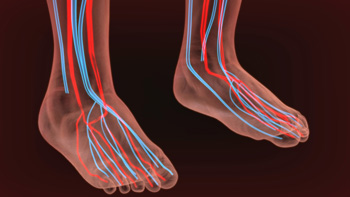
Poor circulation in the feet occurs when blood flow to the lower extremities is reduced, making it harder for oxygen and nutrients to reach the tissues. People may notice coldness, numbness, tingling, cramping, or skin that appears pale or discolored. Common causes include diabetes, peripheral artery disease, smoking, high blood pressure, and prolonged sitting or standing. Aging can also affect circulation, especially when combined with reduced activity levels or underlying medical conditions. Improving circulation often involves consistent movement throughout the day. Walking, ankle rotations, and gentle stretching help activate the muscles that support blood flow. Elevating the feet when resting, maintaining healthy hydration, and wearing shoes that do not restrict the forefoot or ankle can also be beneficial. Addressing chronic conditions and avoiding tobacco play an important role in long-term improvement. If foot circulation problems persist, it is suggested that you see a podiatrist for a proper diagnosis and appropriate treatment.
Poor circulation is a serious condition and needs immediate medical attention. If you have any concerns with poor circulation in your feet contact one of our podiatrists of Trinity Foot & Ankle . Our doctors will treat your foot and ankle needs.
Poor Circulation in the Feet
Poor blood circulation in the feet and legs is can be caused by peripheral artery disease (PAD), which is the result of a buildup of plaque in the arteries.
Plaque buildup or atherosclerosis results from excess calcium and cholesterol in the bloodstream. This can restrict the amount of blood which can flow through the arteries. Poor blood circulation in the feet and legs are sometimes caused by inflammation in the blood vessels, known as vasculitis.
Causes
Lack of oxygen and oxygen from poor blood circulation restricts muscle growth and development. It can also cause:
- Muscle pain, stiffness, or weakness
- Numbness or cramping in the legs
- Skin discoloration
- Slower nail & hair growth
- Erectile dysfunction
Those who have diabetes or smoke are at greatest risk for poor circulation, as are those who are over 50. If you have poor circulation in the feet and legs it may be caused by PAD and is important to make changes to your lifestyle in order to reduce risk of getting a heart attack or stroke. Exercise and maintaining a healthy lifestyle will dramatically improve conditions.
As always, see a podiatrist as he or she will assist in finding a regimen that suits you. A podiatrist can also prescribe you any needed medication.
If you have any questions, please feel free to contact our office located in Trinity, FL . We offer the newest diagnostic and treatment technologies for all your foot care needs.
When a Small Nerve Causes Big Foot Pain
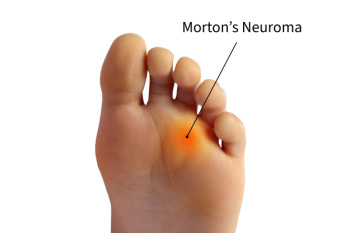
Morton’s neuroma is a painful condition that affects the nerve between the toes, most often between the third and fourth toes. It is caused by repeated pressure or irritation from tight shoes, high heels, foot structure, or high impact activity that thickens the nerve tissue. Symptoms often include burning, tingling, numbness, and a sensation that feels like standing on a pebble. The foot may look normal from the outside, though mild swelling or tenderness can appear between the toes. The pain may worsen with walking and improve when shoes are removed. A podiatrist can help by starting with a careful exam and imaging when needed to confirm the diagnosis. Treatment may begin with shoe changes and custom orthotics, then progress to targeted exercises, anti-inflammatory care, or injections to calm the nerve. In persistent cases, surgery may be discussed. If you suspect you might have a Morton’s neuroma, it is suggested that you make an appointment with a podiatrist for an exam, diagnosis, and treatment plan.
Morton’s neuroma is a very uncomfortable condition to live with. If you think you have Morton’s neuroma, contact one of our podiatrists of Trinity Foot & Ankle . Our doctors will attend to all of your foot care needs and answer any of your related questions.
Morton’s Neuroma
Morton's neuroma is a painful foot condition that commonly affects the areas between the second and third or third and fourth toe, although other areas of the foot are also susceptible. Morton’s neuroma is caused by an inflamed nerve in the foot that is being squeezed and aggravated by surrounding bones.
What Increases the Chances of Having Morton’s Neuroma?
- Ill-fitting high heels or shoes that add pressure to the toe or foot
- Jogging, running or any sport that involves constant impact to the foot
- Flat feet, bunions, and any other foot deformities
Morton’s neuroma is a very treatable condition. Orthotics and shoe inserts can often be used to alleviate the pain on the forefront of the feet. In more severe cases, corticosteroids can also be prescribed. In order to figure out the best treatment for your neuroma, it’s recommended to seek the care of a podiatrist who can diagnose your condition and provide different treatment options.
If you have any questions, please feel free to contact our office located in Trinity, FL . We offer the newest diagnostic and treatment technologies for all your foot care needs.
Types of Foot Deformities
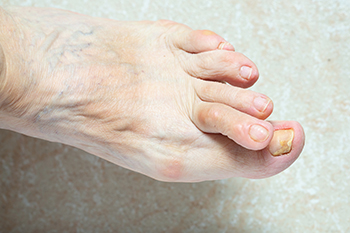
Foot deformities are structural changes that affect the shape or function of the feet and ankles. Some are present at birth, while others develop during childhood or adulthood. Congenital deformities can cause the forefoot to curve inward, the heel or ankle to sit abnormally, or the foot to point upward or downward, which may interfere with early walking patterns. In children and adults, deformities like flat feet, high arches, or inward-rolling ankles can alter balance and place added stress on joints. Deformities that mainly appear in adulthood often involve toe alignment, including bunions and hammertoes. Widening of the forefoot or limited ankle motion that changes gait are other factors. A podiatrist can assess alignment, joint movement, muscle strength, and walking mechanics to identify the type of deformity you may have. For help in dealing with a foot deformity, it is suggested that you make an appointment with a podiatrist for an exam, diagnosis, and treatment.
Foot Pain
Foot pain can be extremely painful and debilitating. If you have a foot pain, consult with one of our podiatrists from Trinity Foot & Ankle . Our doctors will assess your condition and provide you with quality foot and ankle treatment.
Causes
Foot pain is a very broad condition that could be caused by one or more ailments. The most common include:
- Bunions
- Hammertoes
- Plantar Fasciitis
- Bone Spurs
- Corns
- Tarsal Tunnel Syndrome
- Ingrown Toenails
- Arthritis (such as Gout, Rheumatoid, and Osteoarthritis)
- Flat Feet
- Injury (from stress fractures, broken toe, foot, ankle, Achilles tendon ruptures, and sprains)
- And more
Diagnosis
To figure out the cause of foot pain, podiatrists utilize several different methods. This can range from simple visual inspections and sensation tests to X-rays and MRI scans. Prior medical history, family medical history, and any recent physical traumatic events will all be taken into consideration for a proper diagnosis.
Treatment
Treatment depends upon the cause of the foot pain. Whether it is resting, staying off the foot, or having surgery; podiatrists have a number of treatment options available for foot pain.
If you have any questions, please feel free to contact our office located in Trinity, FL . We offer the newest diagnostic and treatment technologies for all your foot care needs.
Do You Suffer From Painful Feet?
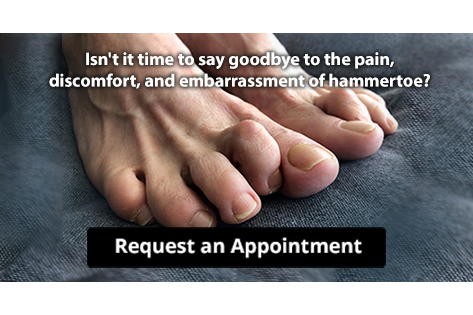
Painful deformities, such as hammertoes, can be treated. Stop living with foot pain, and have beautiful feet again!
Choosing Proper Footwear for Children
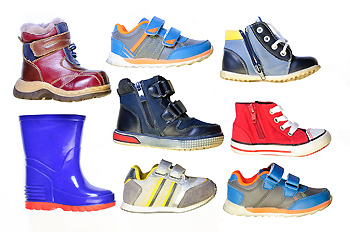
Choosing proper footwear for children is essential for healthy foot development, balance, and overall comfort as they grow. Shoes should support natural movement while protecting developing feet during daily activities. Infants benefit from soft, flexible shoes that allow natural motion, while toddlers need lightweight shoes with room for growing toes and stable soles for early walking. Additionally, school-age children require supportive shoes with cushioning and structure for active play, and adolescents need footwear that balances comfort, durability, and sport-specific support. Poor shoe choices may contribute to pain, posture issues, or foot deformities over time. A podiatrist can evaluate foot structure, gait, and growth patterns, and recommend appropriate footwear or orthotics, when needed. If your child has foot discomfort or you have questions about shoe selection, it is suggested that you consult a podiatrist for expert guidance and an appropriate treatment plan.
Making sure that your children maintain good foot health is very important as they grow. If you have any questions, contact one of our podiatrists of Trinity Foot & Ankle . Our doctors can provide the care you need to keep you pain-free and on your feet.
Keeping Children's Feet Healthy
Having healthy feet during childhood can help prevent medical problems later in life, namely in the back and legs. As children grow, their feet require different types of care. Here are some things to consider...
Although babies do not walk yet, it is still very important to take care of their feet.
Avoid putting tight shoes or socks on his or her feet.
Allow the baby to stretch and kick his or her feet to feel comfortable.
As a toddler, kids are now on the move and begin to develop differently. At this age, toddlers are getting a feel for walking, so don’t be alarmed if your toddler is unsteady or ‘walks funny’.
As your child gets older, it is important to teach them how to take care of their feet.
Show them proper hygiene to prevent infections such as fungus.
Be watchful for any pain or injury.
Have all injuries checked by a doctor as soon as possible.
Comfortable, protective shoes should always be worn, especially at play.
If you have any questions, please feel free to contact our office located in Trinity, FL . We offer the newest diagnostic and treatment technologies for all your foot care needs.
