Items filtered by date: November 2025
Plantar Warts Can Be Treated!

Plantar warts are small growths that develop on parts of the feet that bear weight. They're typically found on the bottom of the foot. Don't live with plantar warts, and call us today!
Exploring the Challenges of Foot Drop

Foot drop is a condition in which a person has difficulty lifting the front part of the foot, often caused by nerve injury, muscle weakness, or neurological disorders such as stroke or neuropathy. It may look like the foot drags while walking, and many individuals develop a high-stepping gait to avoid tripping. Foot drop can feel awkward, tiring, or unstable, and some people notice numbness or tingling along the shin or top of the foot. Foot drop is a symptom rather than a standalone diagnosis, meaning the underlying cause must be identified for proper treatment. A podiatrist can begin by evaluating muscle strength, nerve function, and gait patterns to pinpoint the source of the problem. Treatment options may include bracing to support the foot, custom orthotics, or strategies to improve balance and mobility. Early intervention helps reduce long-term complications and improves confidence while walking. If you notice changes in your walking pattern or difficulty lifting your foot, it is suggested that you make an appointment with a podiatrist.
Foot Pain
Foot pain can be extremely painful and debilitating. If you have a foot pain, consult with one of our podiatrists from Trinity Foot & Ankle . Our doctors will assess your condition and provide you with quality foot and ankle treatment.
Causes
Foot pain is a very broad condition that could be caused by one or more ailments. The most common include:
- Bunions
- Hammertoes
- Plantar Fasciitis
- Bone Spurs
- Corns
- Tarsal Tunnel Syndrome
- Ingrown Toenails
- Arthritis (such as Gout, Rheumatoid, and Osteoarthritis)
- Flat Feet
- Injury (from stress fractures, broken toe, foot, ankle, Achilles tendon ruptures, and sprains)
- And more
Diagnosis
To figure out the cause of foot pain, podiatrists utilize several different methods. This can range from simple visual inspections and sensation tests to X-rays and MRI scans. Prior medical history, family medical history, and any recent physical traumatic events will all be taken into consideration for a proper diagnosis.
Treatment
Treatment depends upon the cause of the foot pain. Whether it is resting, staying off the foot, or having surgery; podiatrists have a number of treatment options available for foot pain.
If you have any questions, please feel free to contact our office located in Trinity, FL . We offer the newest diagnostic and treatment technologies for all your foot care needs.
Fighting Athlete’s Foot for Healthier Skin

Athlete’s foot, also known as tinea pedis, is a common fungal infection that affects the skin on the feet, particularly between the toes. It thrives in warm, moist environments such as locker rooms, showers, and sweaty shoes. Symptoms often include itching, burning, redness, and peeling skin. In some cases, blisters or cracks may form, causing pain or discomfort when walking. The infection may also cause a strong odor and can spread to the toenails or other parts of the body if left untreated. A podiatrist can diagnose athlete’s foot through a physical examination and, if needed, laboratory testing to identify the specific fungus. Treatment may involve antifungal creams, powders, oral medication, and guidance on proper foot hygiene and footwear choices. Early treatment helps prevent the infection from spreading and recurring. It is suggested that you make an appointment with a podiatrist to receive professional care and effective treatment for athlete’s foot.
Athlete’s foot is an inconvenient condition that can be easily reduced with the proper treatment. If you have any concerns about your feet and ankles, contact one of our podiatrists from Trinity Foot & Ankle . Our doctors will treat your foot and ankle needs.
Athlete’s Foot: The Sole Story
Athlete's foot, also known as tinea pedis, can be an extremely contagious foot infection. It is commonly contracted in public changing areas and bathrooms, dormitory style living quarters, around locker rooms and public swimming pools, or anywhere your feet often come into contact with other people.
Solutions to Combat Athlete’s Foot
- Hydrate your feet by using lotion
- Exfoliate
- Buff off nails
- Use of anti-fungal products
- Examine your feet and visit your doctor if any suspicious blisters or cuts develop
Athlete’s foot can cause many irritating symptoms such as dry and flaking skin, itching, and redness. Some more severe symptoms can include bleeding and cracked skin, intense itching and burning, and even pain when walking. In the worst cases, Athlete’s foot can cause blistering as well. Speak to your podiatrist for a better understanding of the different causes of Athlete’s foot, as well as help in determining which treatment options are best for you.
If you have any questions please feel free to contact our office located in Trinity, FL . We offer the newest diagnostic and treatment technologies for all your foot and ankle needs.
How Diabetes Affects Toenails
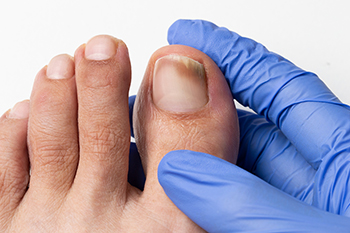
Diabetes can lead to various foot and toenail issues due to poor circulation, nerve damage, and compromised immune function. Common toenail problems in diabetics include onycholysis, which is a separation of the nail from the nail bed, ingrown toenails, fungal infections, and periungual erythema, which is redness around the nail. These conditions often arise because diabetes weakens the body’s ability to fight infections and heal wounds. Symptoms include pain, swelling, discoloration, or a thickened nail, which may become brittle or discolored. Fungal infections may cause the nail to crumble or thicken, while ingrown toenails can cause tenderness and redness. Treatment may involve antifungal medications, proper nail trimming techniques, or the use of custom orthotics to alleviate pressure. In more severe cases, a podiatrist may recommend medical intervention or even nail removal. Proper foot care, including regular check-ups with a podiatrist, is essential for preventing complications. If you are dealing with these types of issues, it is suggested that you make an appointment with a podiatrist.
For more information about treatment, contact one of our podiatrists of Trinity Foot & Ankle . Our doctors can provide the care you need to keep you pain-free and on your feet.
Toenail Fungus Treatment
Toenail fungus is a condition that affects many people and can be especially hard to get rid of. Fortunately, there are several methods to go about treating and avoiding it.
Antifungals & Deterrence
Oral antifungal medicine has been shown to be effective in many cases. It is important to consult with a podiatrist to determine the proper regiment for you, or potentially explore other options.
Applying foot powder on the feet and shoes helps keep the feet free of moisture and sweat.
Sandals or open toed shoes – Wearing these will allow air movement and help keep feet dry. They also expose your feet to light, which fungus cannot tolerate. Socks with moisture wicking material also help as well.
If you have any questions please contact our office located in Trinity, FL . We offer the newest diagnostic and treatment technologies for all your foot and ankle needs.
Understanding Swollen Ankles and Feet During Pregnancy

Swelling in the ankles and feet is a common part of pregnancy, especially in the later months when the body holds more fluid and the growing uterus places extra pressure on blood vessels. While mild puffiness is normal, noticeable or uneven swelling can signal that circulation is being compromised. Standing for long periods of time, warm weather, and wearing tight shoes can all make swelling worse. A podiatrist can evaluate whether the swelling is typical or related to another condition, and may recommend gentle movement, proper footwear, or custom orthotics to improve comfort and circulation. Caring for your feet during pregnancy not only eases daily strain but also supports balance and stability as your body changes. If swelling becomes painful, persistent, or is accompanied by redness or discomfort, it is suggested that you see a podiatrist for assessment and appropriate care.
Pregnant women with swollen feet can be treated with a variety of different methods that are readily available. For more information about other cures for swollen feet during pregnancy, consult with one of our podiatrists from Trinity Foot & Ankle . Our doctors will attend to all of your foot and ankle needs.
What Foot Problems Can Arise During Pregnancy?
One problem that can occur is overpronation, which occurs when the arch of the foot flattens and tends to roll inward. This can cause pain and discomfort in your heels while you’re walking or even just standing up, trying to support your baby.
Another problem is edema, or swelling in the extremities. This often affects the feet during pregnancy but tends to occur in the later stages.
How Can I Keep My Feet Healthy During Pregnancy?
- Wearing orthotics can provide extra support for the feet and help distribute weight evenly
- Minimize the amount of time spent walking barefoot
- Wear shoes with good arch support
- Wear shoes that allow for good circulation to the feet
- Elevate feet if you experience swelling
- Massage your feet
- Get regular, light exercise, such as walking, to promote blood circulation to the feet
If you have any questions, please feel free to contact our office located in Trinity, FL . We offer the newest diagnostic and treatment technologies for all your foot care needs.
