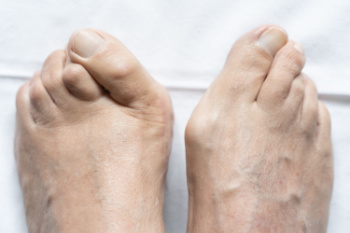
A bunion develops when the bones near the base of a toe shift out of their normal position. This change creates a noticeable bump along the side of the foot. Most bunions form beside the big toe, which gradually leans toward the second toe. A smaller bump can also develop near the little toe. This is called a tailor's bunion, or bunionette. Some people notice a change in foot shape without feeling pain. Others experience soreness, redness, or a burning sensation around the affected joint. Numbness can also occur. Shoes that crowd the toes can make these symptoms worse, especially when standing for long periods. A podiatrist can examine the joint and determine whether a bunion is responsible for the discomfort.
Bunions are closely linked to inherited foot structure. When the foot distributes weight unevenly, pressure can affect the alignment of the toe joints. Narrow shoes and high heels do not necessarily create the underlying problem, but they can increase pressure against an existing bunion. As the big toe shifts, it may rub against the neighboring toe. This can contribute to calluses, irritated skin, or sores between the toes. Some patients also develop an ingrown toenail or stiffness that limits big-toe movement. These changes can make finding comfortable shoes more difficult. Pain can become especially noticeable when walking or spending much of the day on the feet. Because bunions differ in size and severity, an examination helps distinguish joint changes from other sources of foot pain.
A podiatrist can assess toe alignment, check joint movement, and identify areas where shoes create friction. X-rays can help show the position of the bones when a closer evaluation is appropriate. Treatment focuses on reducing discomfort and protecting the affected joint. A podiatrist may recommend shoes with a roomy toe box and secure fastenings to reduce pressure. Protective padding can limit rubbing against the bump. Custom orthotics may also help redistribute pressure across the foot. These measures can relieve symptoms, but they do not straighten the underlying bone alignment. A podiatrist can monitor changes in foot shape and adjust care when pain begins affecting daily activities. Early evaluation also helps address related skin irritation and restricted toe movement. If you have symptoms of bunions, it is suggested that you schedule an appointment with a podiatrist for diagnosis and treatment.
If you are suffering from bunion pain, contact one of our podiatrists of Trinity Foot & Ankle . Our doctors can provide the care you need to keep you pain-free and on your feet.
What Is a Bunion?
Bunions are painful bony bumps that usually develop on the inside of the foot at the joint of the big toe. As the deformity increases over time, it may become painful to walk and wear shoes. Women are more likely to exacerbate existing bunions since they often wear tight, narrow shoes that shift their toes together. Bunion pain can be relieved by wearing wider shoes with enough room for the toes.
Causes
- Genetics – some people inherit feet that are more prone to bunion development
- Inflammatory Conditions - rheumatoid arthritis and polio may cause bunion development
Symptoms
- Redness and inflammation
- Pain and tenderness
- Callus or corns on the bump
- Restricted motion in the big toe
In order to diagnose your bunion, your podiatrist may ask about your medical history, symptoms, and general health. Your doctor might also order an x-ray to take a closer look at your feet. Nonsurgical treatment options include orthotics, padding, icing, changes in footwear, and medication. If nonsurgical treatments don’t alleviate your bunion pain, surgery may be necessary.
If you have any questions, please feel free to contact our office located in Trinity, FL . We offer the newest diagnostic and treatment technologies for all your foot care needs.
